

Before & After Photos
Click on a photo to enlarge.
Attic Remediation in Brighton, MI


Our customer was in the process of buying a home and the inspection showed potential mold in the attic. Our company came in and assessed the attic space and found mold on the sheathing and trusses of the attic due to clogged soffits and inadequate rafter baffles. Our company came in and cleaned the attic using Mold X2 and Mold X2 Botanical products. We added new duel wide rafter vents after clearing any debris or insulation from the soffits. This attic is cleaned and ready for buyers final inspection.
Rigid Foam Insulation In Brighton, MI
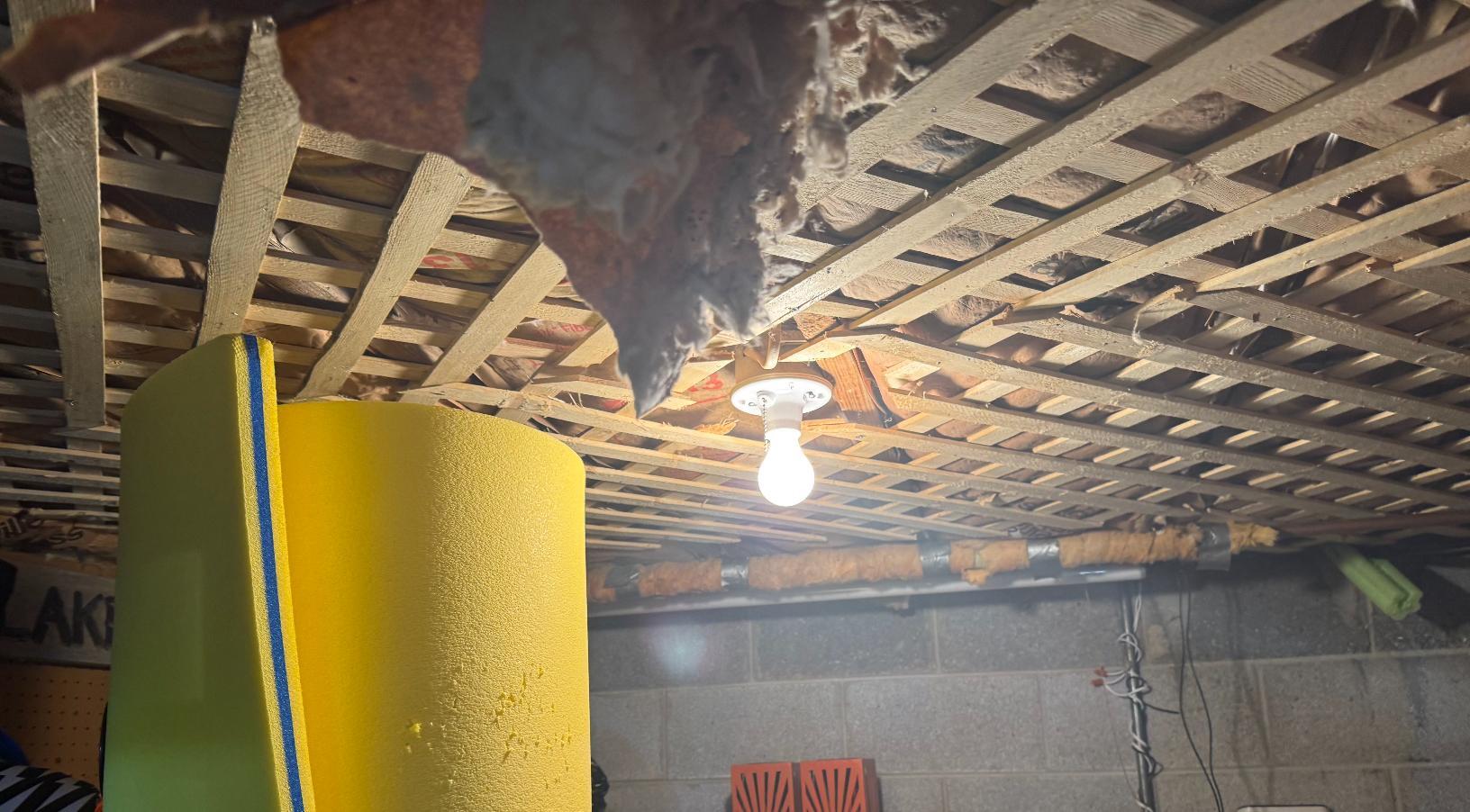
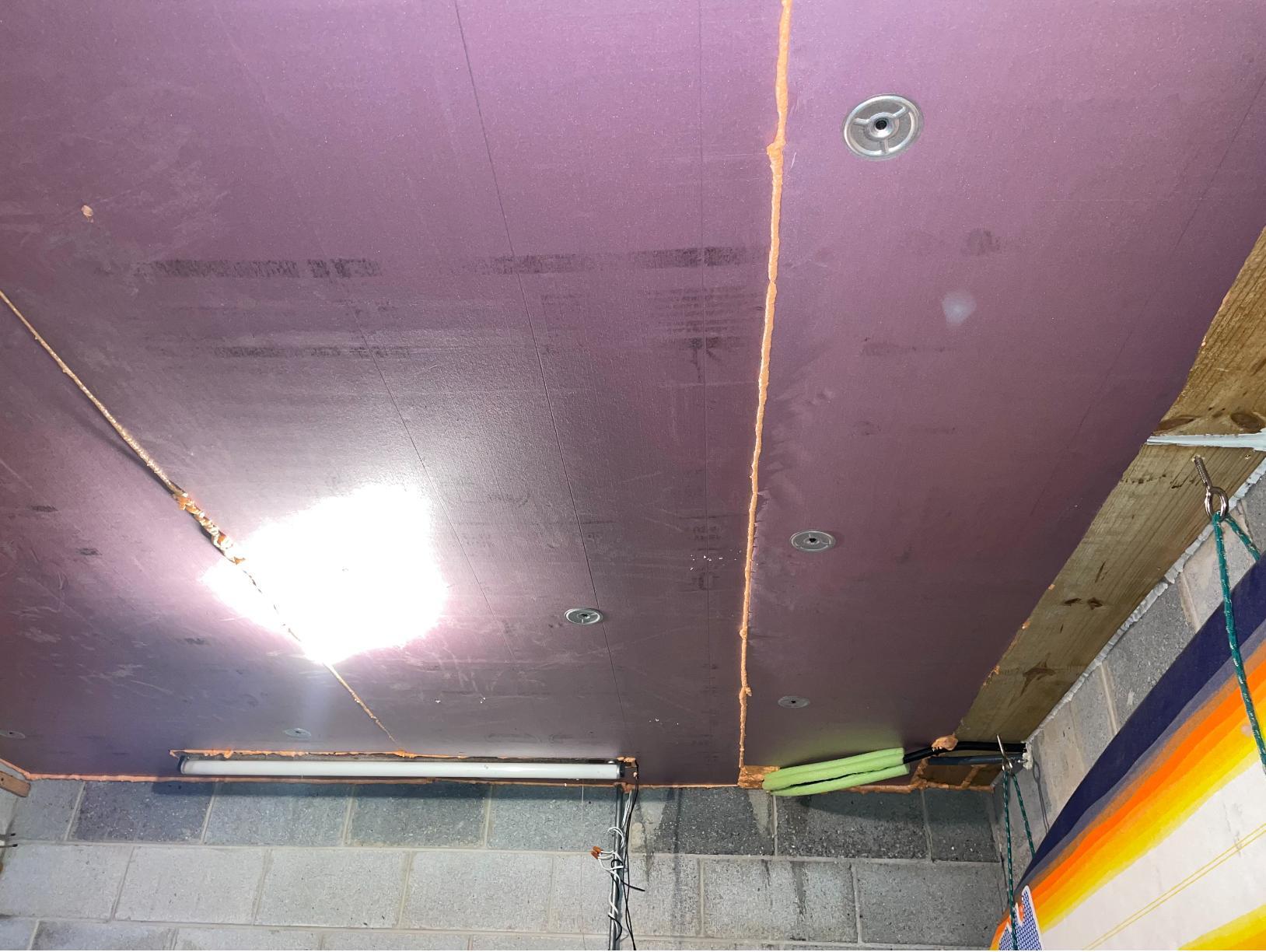
Utilizing rigid foam insulation, we were able to make the floors warmer for this client. This bonus basement room leading outside was making the upstairs floor cold to the touch.
Air Sealing and Cellulose Insulation In Brighton MI
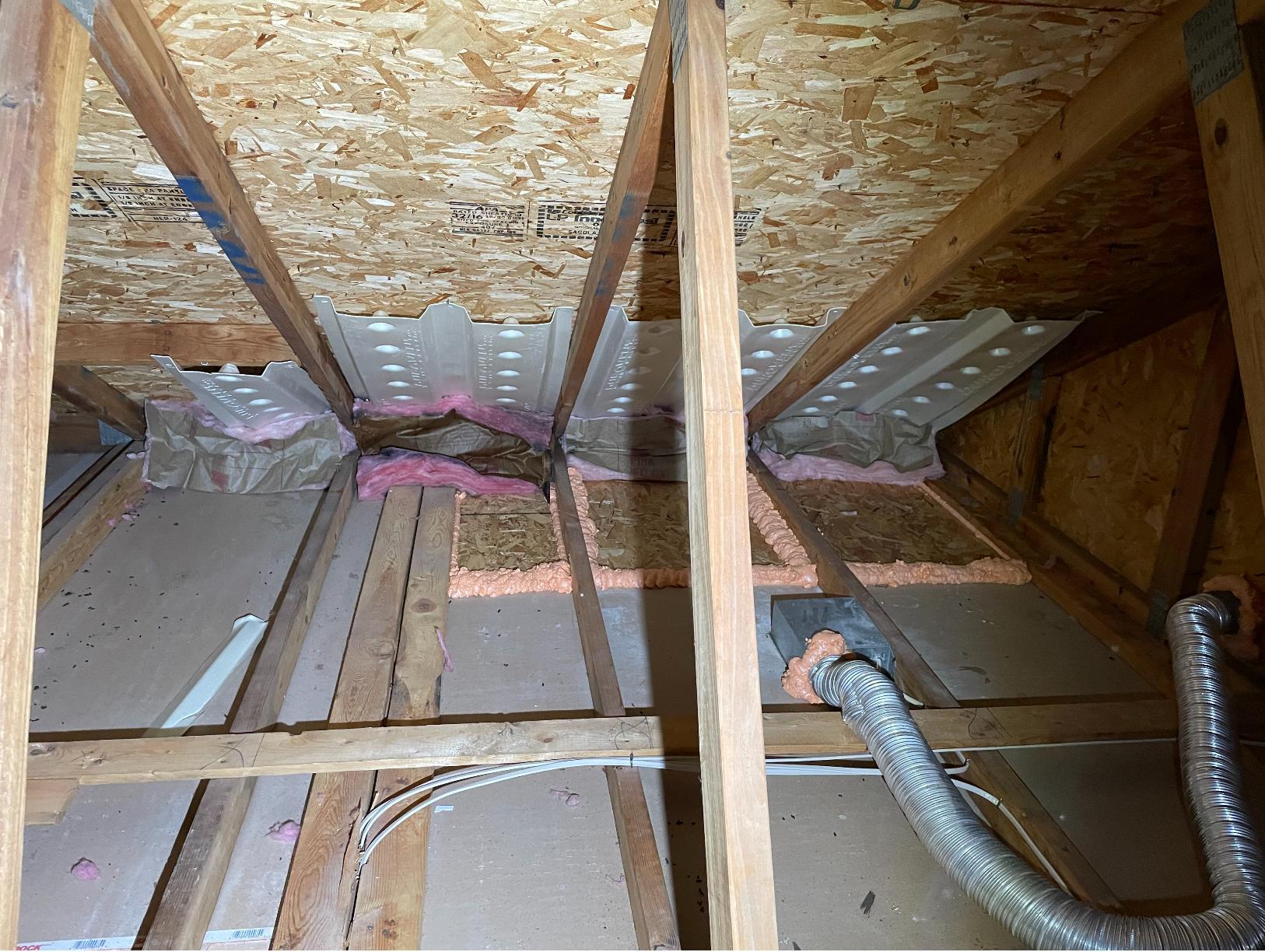
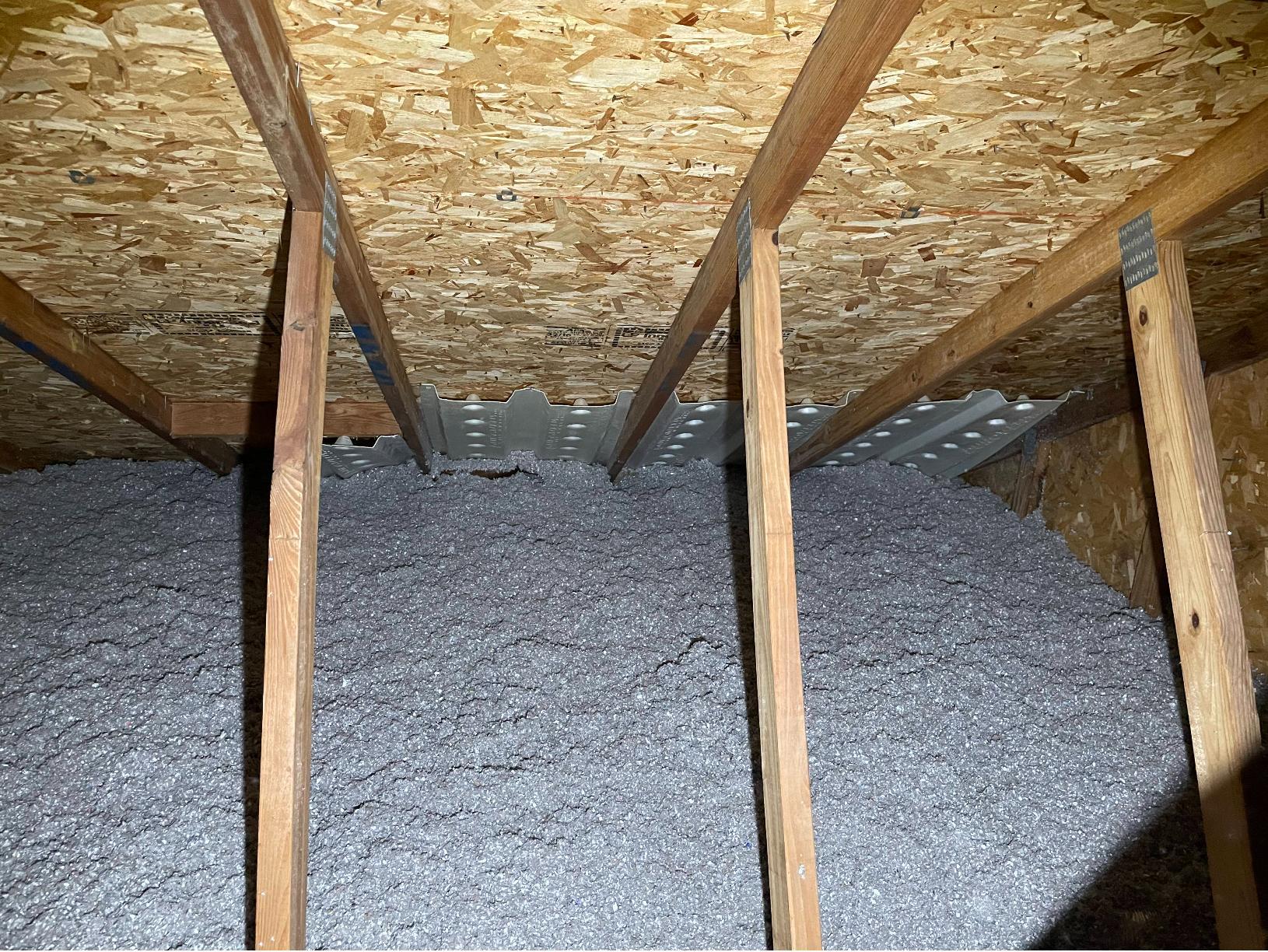
This attic was prepped for fresh insulation and the entire attic floor air sealed with new baffles put into place. While an attic needs to 'breathe' (the baffles make sure soffit vents breathe) you don't want conditioned air from your home to leak through the ceiling, which is why air sealing the attic floor (all the gaps and wiring) is such a crucial part of the process.
Mold Removal & ZypFoam™ in Brighton, MI
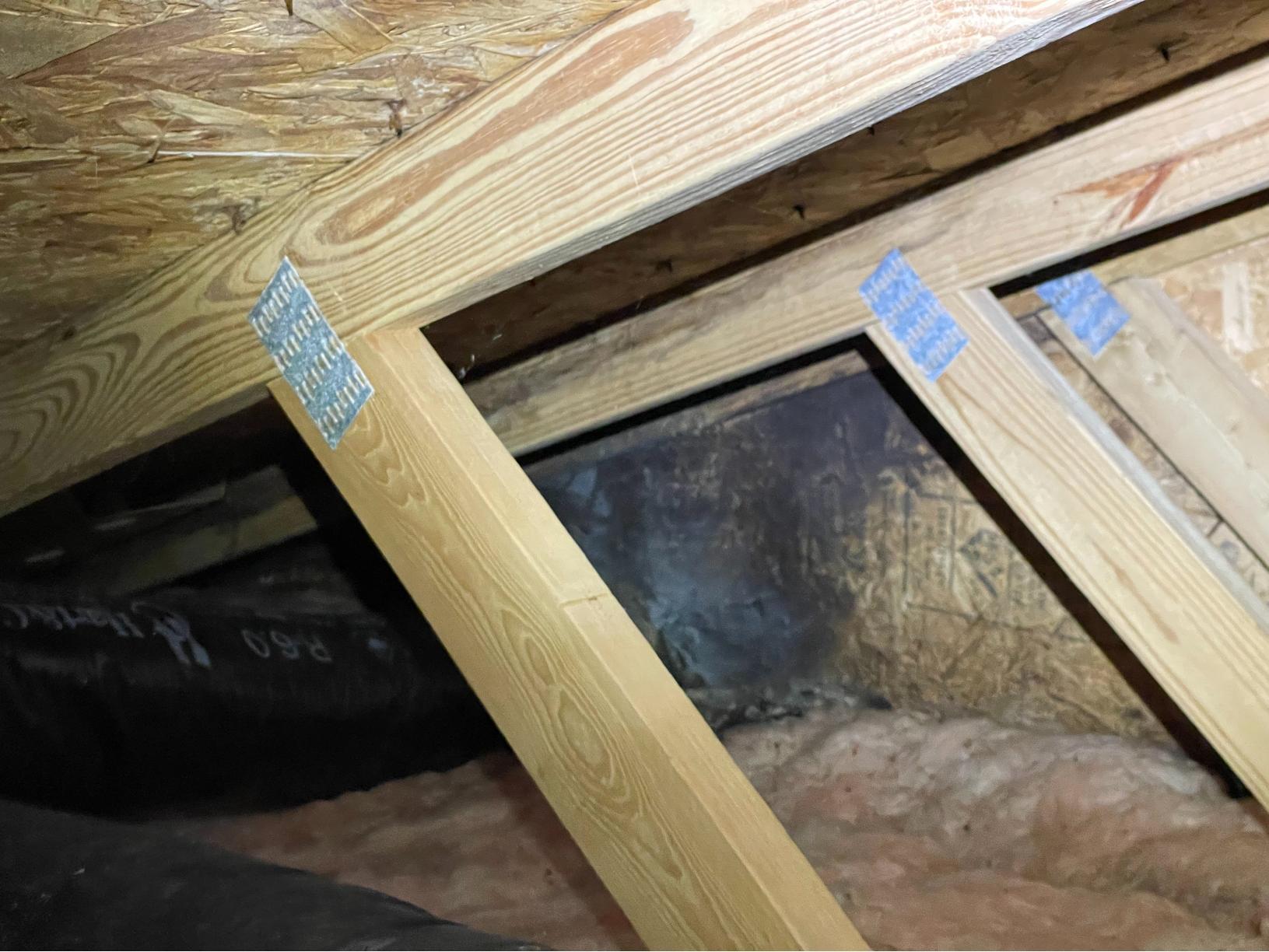
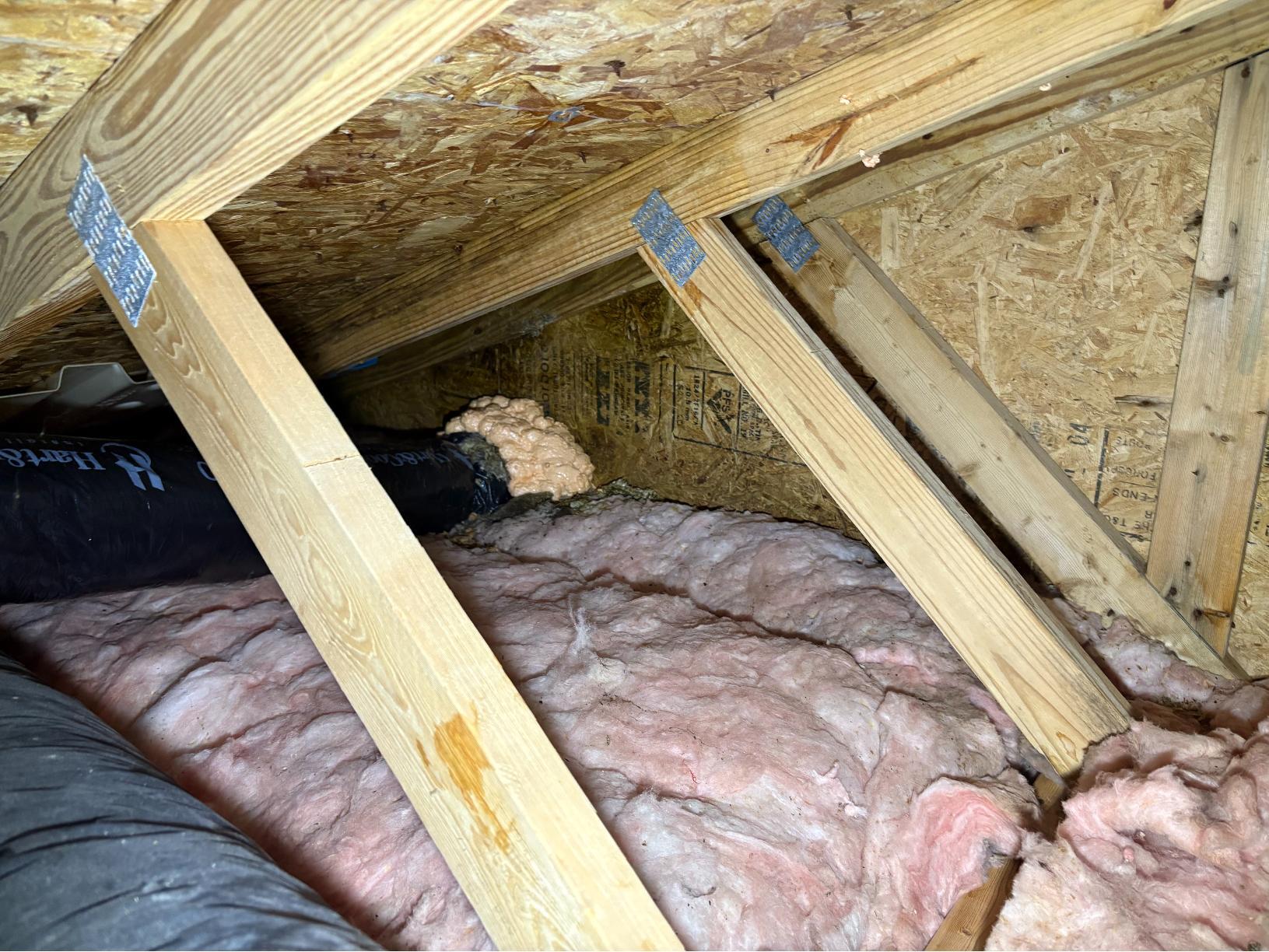
A little ZypFoam™ can go a long way! This customer was experiencing mold for the second time, and upon inspection we found while the ductwork for a bathroom fan was insulated, the entry point through the gable wall was not sealed and this was allowing warm, humid air from the bathroom (all the steam from showers etc.) to escape to the attic. The localized area is clearly visible in the photos. As you can see, we were able to spray treat but most importantly we took care of the underlying cause so it won't return.
Moldy Attic and lack of Insulation in Brighton, MI


Mold was discovered in this attic due to improper ventilation after having us out to do a insulation proposal. Ducts for bath fans were blowing into attic and not out the roof. Also soffits were blocked from previous install of fiberglass insulation. Our company remediated using RMR-86 and RMR-141 to remove the staining and mold and added all new baffles after removing the debris from soffit vents. We topped off insulation with TruSoft Cellulose blown in to a R-60.

