
Before & After Photos
Click on a photo to enlarge.
Tackling High Energy Bills with Attic & Duct Encapsulation in Huntersville, NC
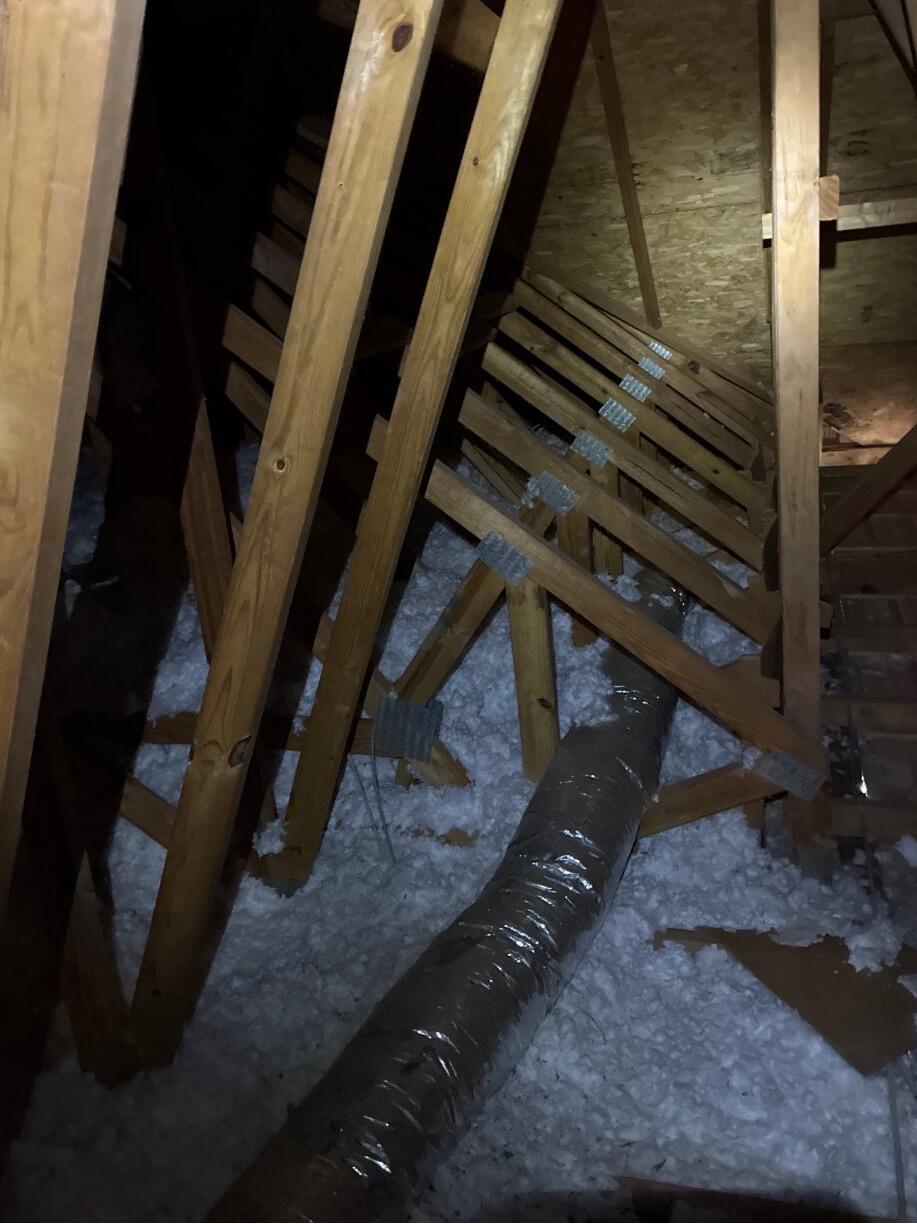
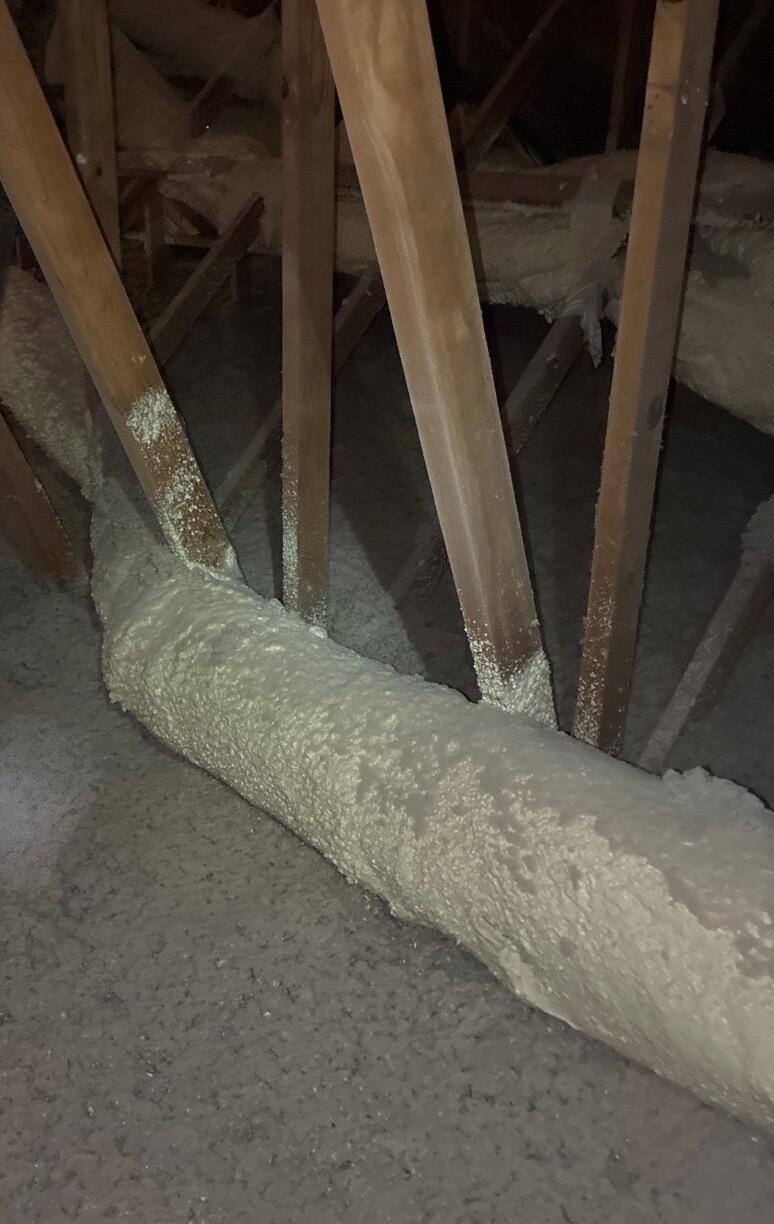
This Huntersville, NC homeowner contacted Home Shield Insulation after experiencing uncomfortable indoor temperatures and energy bills reaching $750 despite having two newer heat pump systems. The rear of the home became especially warm during summer afternoons, while extreme winter temperatures made maintaining comfort equally challenging. With a combination of aging fiberglass and blown-in insulation that had been distributed over time, Mrs. P wanted to identify the underlying causes of their home's poor energy performance.
Our team completed a full attic insulation system along with HVAC duct encapsulation to address heat transfer and energy loss. The attic improvements included removing existing insulation, performing detailed air sealing, and installing new blown- in insulation to create a more controlled thermal barrier. We also encapsulated the ductwork to help protect conditioned air from extreme attic temperatures. Together, these upgrades are designed to improve HVAC efficiency, reduce energy waste, and support more consistent indoor comfort throughout the year.
When a New HVAC Isn't Enough: Attic Insulation in Charlotte, NC
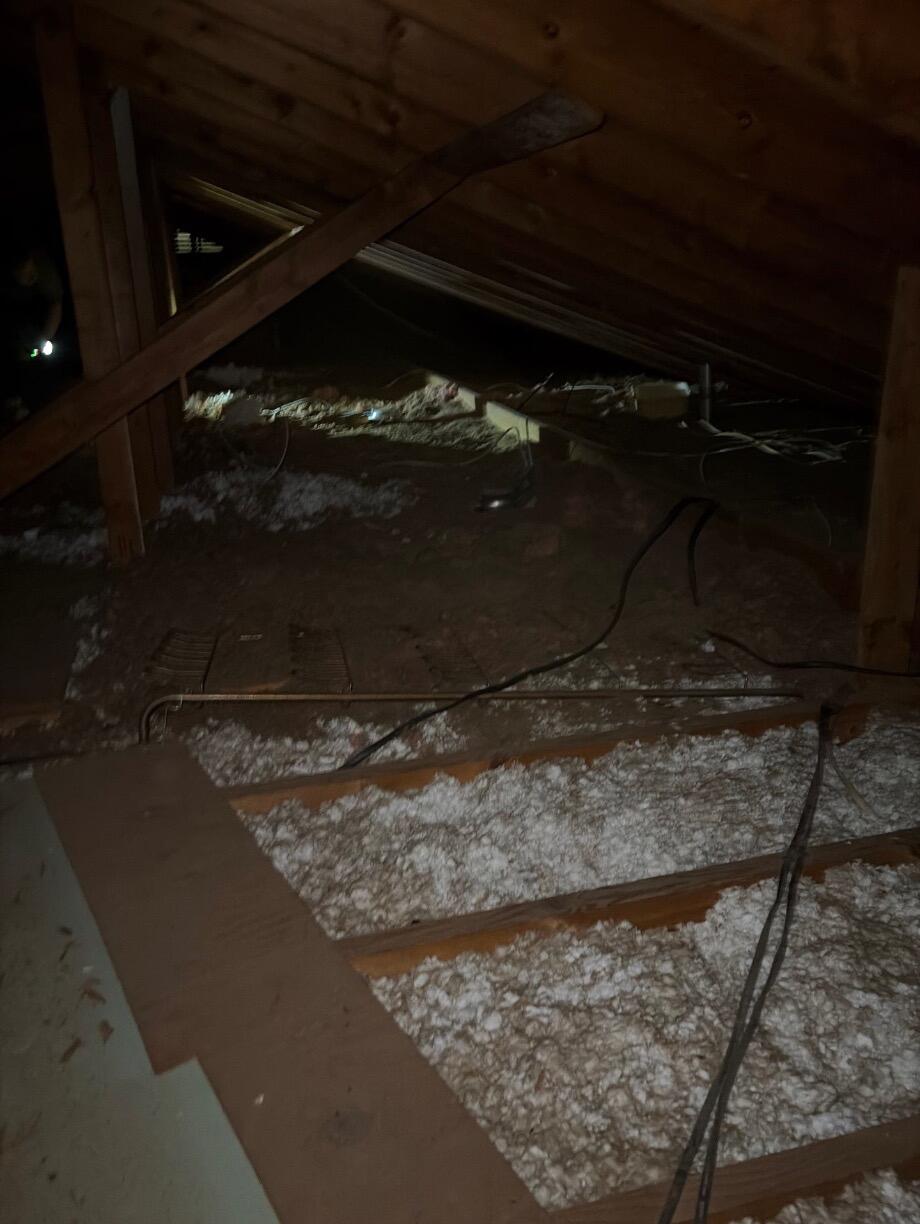
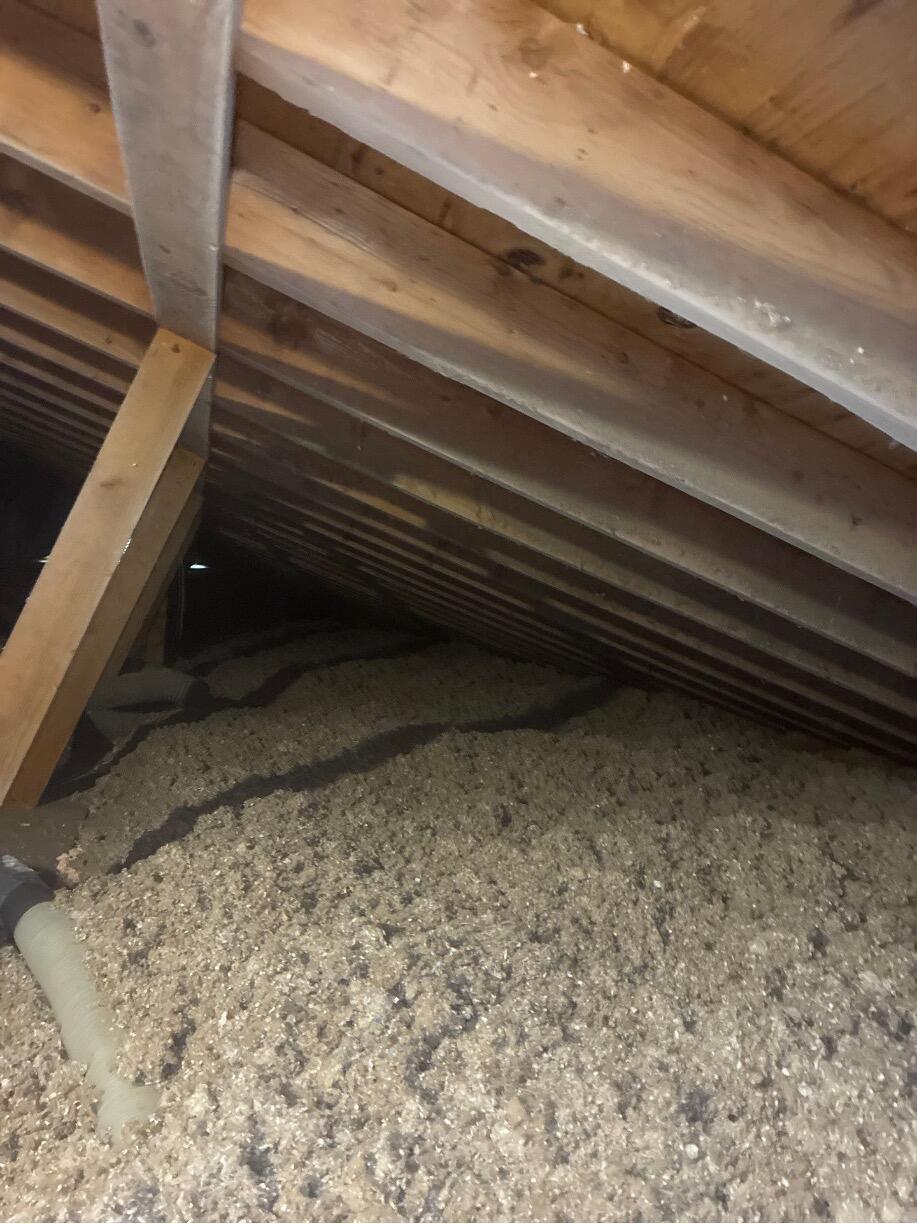
This Charlotte, NC homeowner reached out to Home Shield Insulation after continuing to experience excessive attic heat despite recently installing a new HVAC system. Wanting to maximize their home's energy efficiency and comfort, they were looking for a solution to reduce heat transfer from the attic and help their HVAC system perform more effectively.
Our team completed an attic insulation upgrade, beginning with thorough air sealing to address gaps and areas of unwanted air leakage. We then installed new blown-in insulation to strengthen the home's thermal barrier and help maintain more consistent indoor temperatures. These improvements work together to reduce energy loss, support HVAC efficiency, and improve year-round comfort.
Better Attic Insulation, Better Home Performance in Matthews, NC
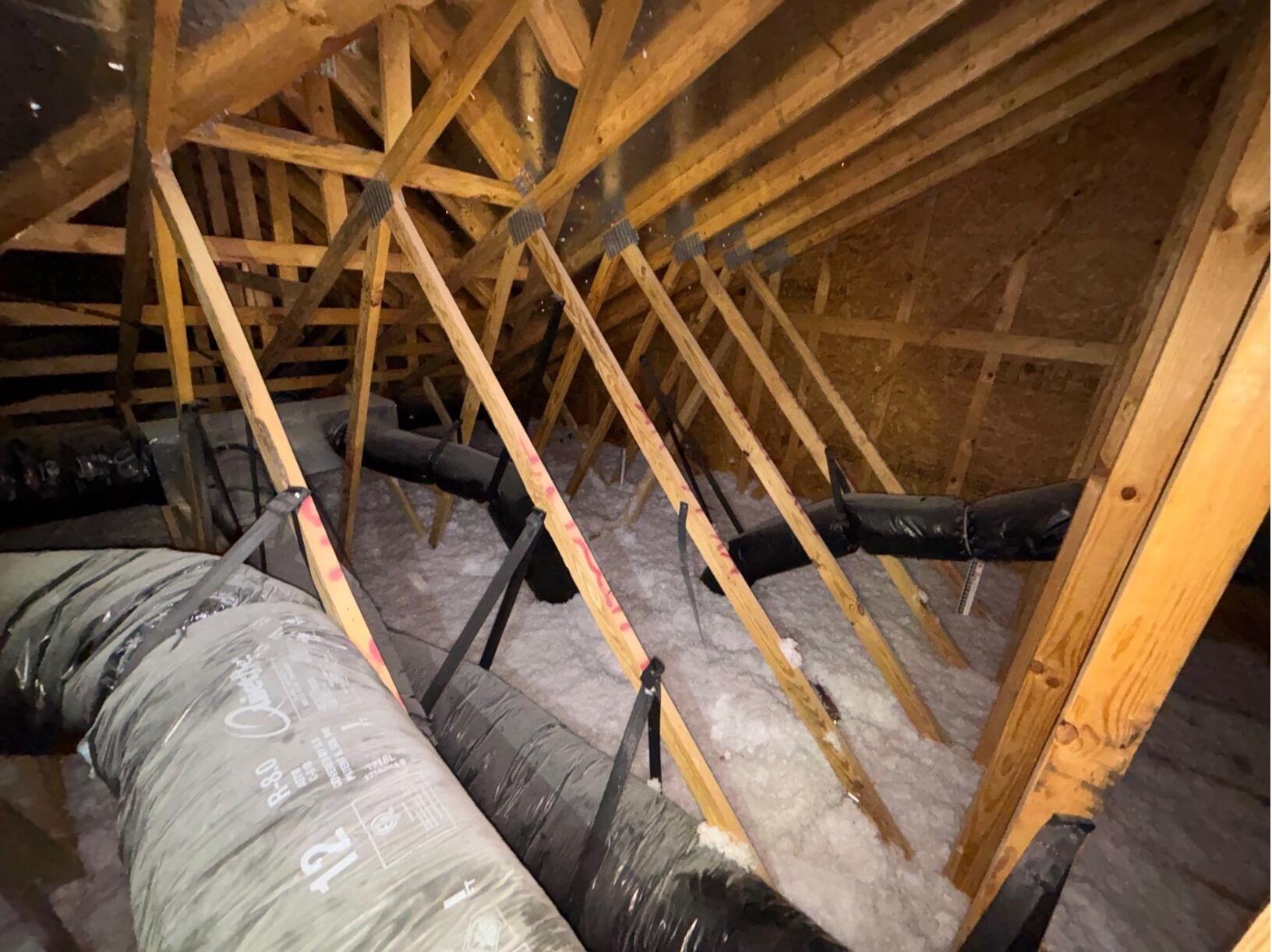
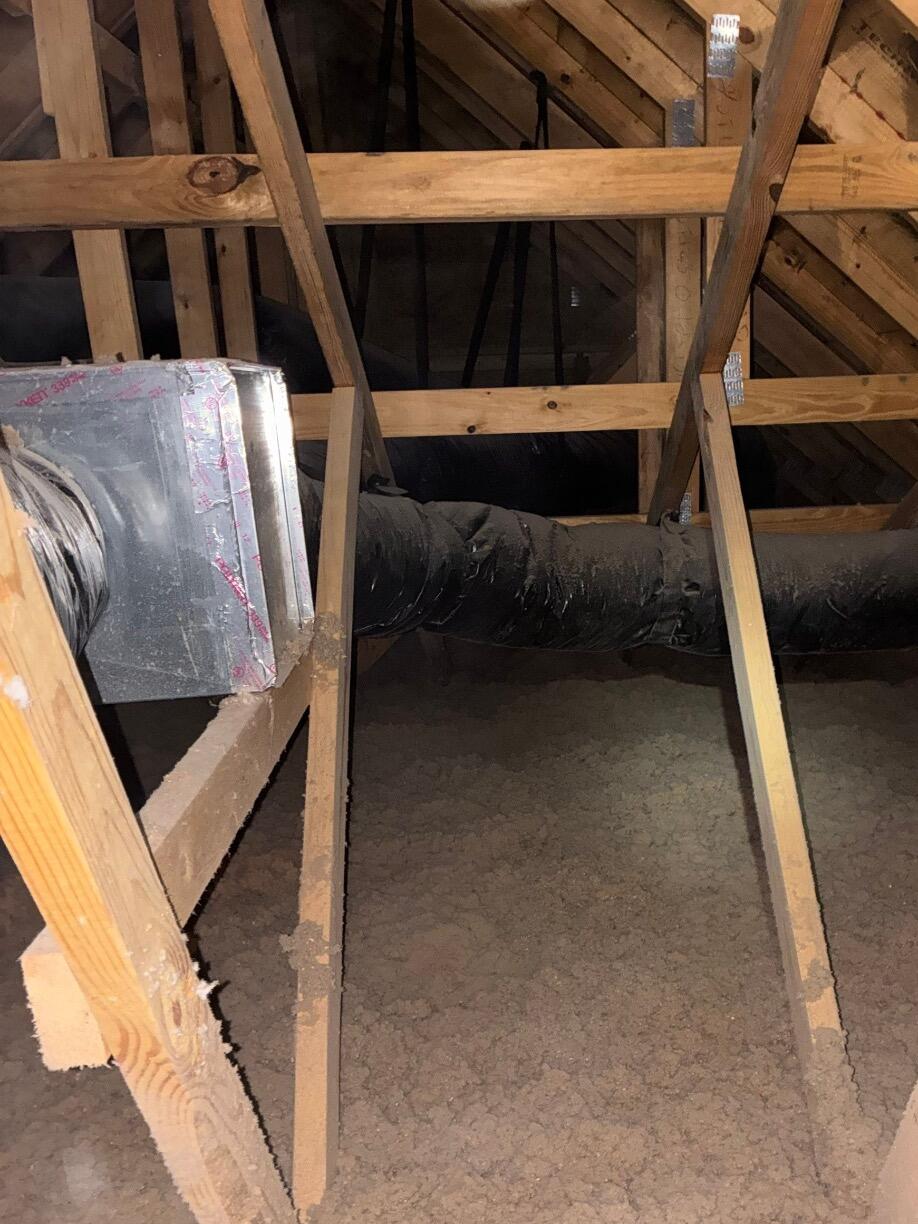
This Matthews, NC homeowner reached out looking for ways to improve their home's energy efficiency through an attic insulation upgrade. They wanted to better understand their insulation options and determine which improvements would provide the most long-term benefits for their home.
Carter, one of our top specialists, evaluated the attic to identify opportunities for improving insulation performance and reducing energy loss. Our crew completed a full attic upgrade, carefully air sealing gaps and penetrations to reduce air leakage before installing new blown-in insulation. With a focus on home comfort and efficiency, we helped Mr. R explore attic insulation solutions designed to create a more effective thermal barrier and support consistent indoor temperatures year round.
Removing Pest-Contaminated Attic Insulation in Matthews, NC
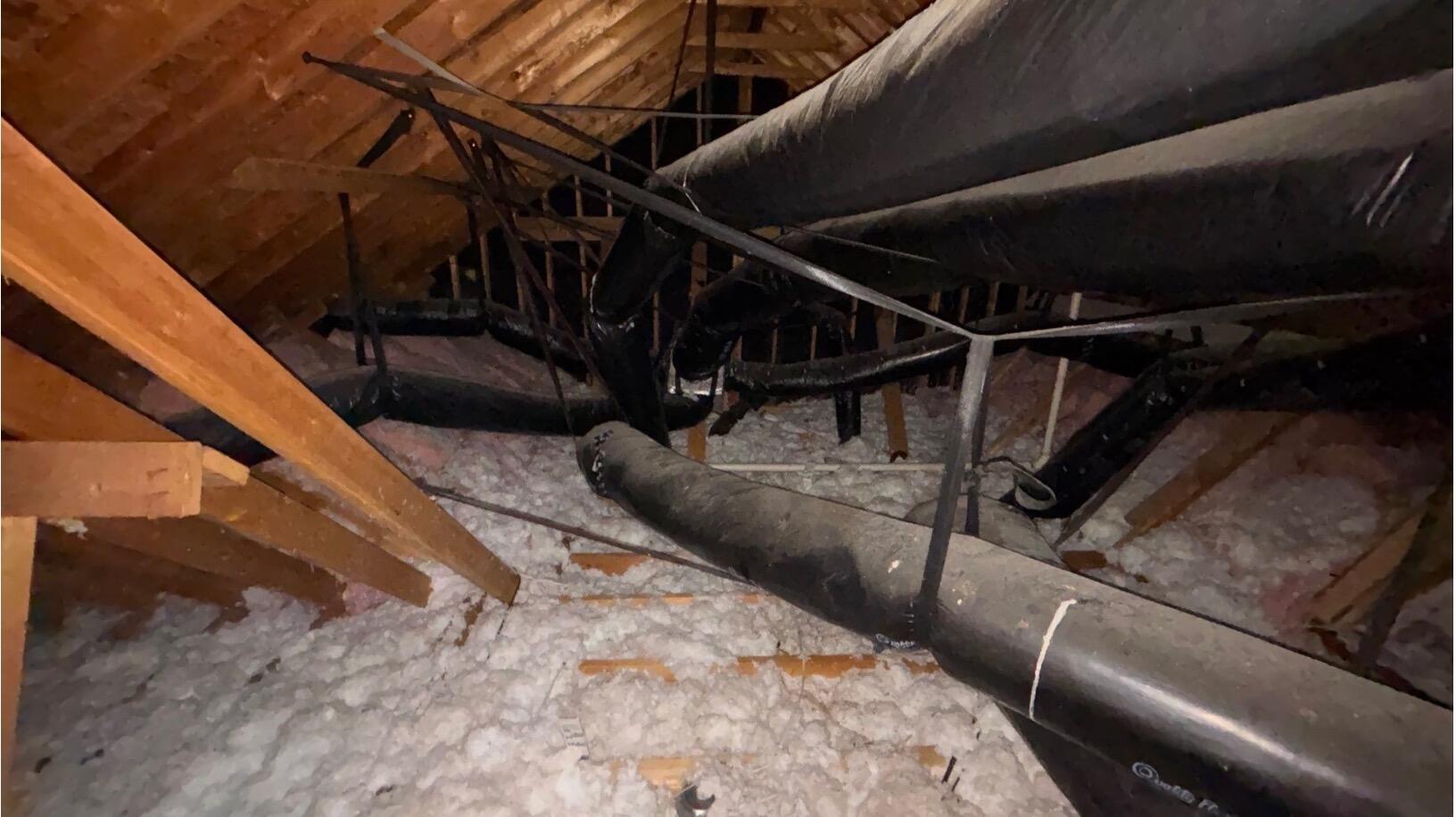
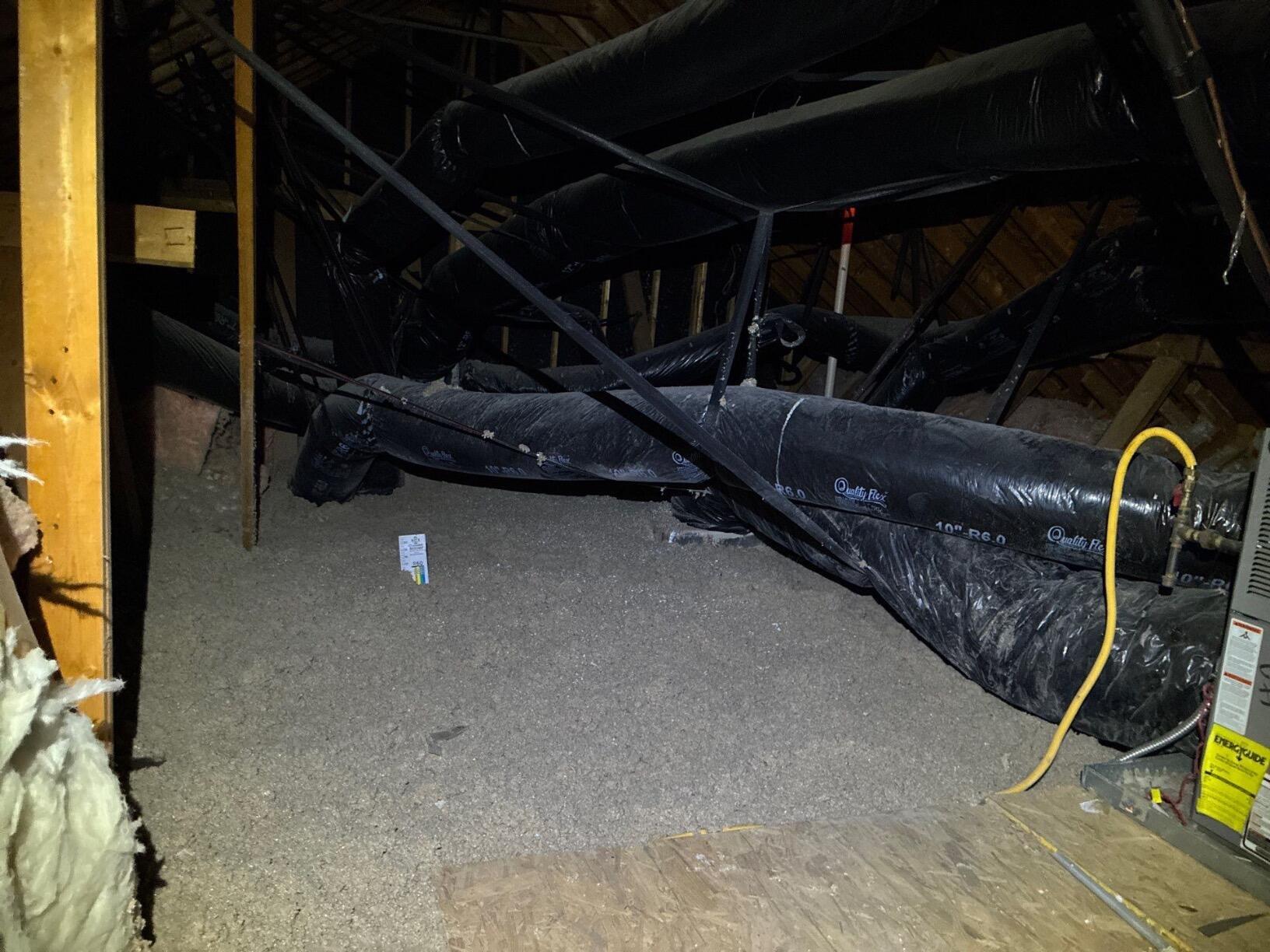
This Matthews, NC homeowner reached out to Home Shield Insulation after discovering rodent contamination in their old attic insulation. With about 1,070 square feet of attic space affected, they were looking for an affordable solution to remove the damaged insulation and restore their attic. After receiving a costly estimate somewhere else, they wanted to explore their options for properly addressing the issue without unnecessary expenses.
The project focused on removing the contaminated attic insulation and preparing the space for new blown-in insulation. Addressing rodent activity and ensuring proper cleanup and sanitation are important steps before installing replacement insulation. This attic insulation before and after highlights the importance of maintaining a clean, properly insulated attic to support long-term home comfort and energy efficiency.
More Than Just a Top-Off: Attic Insulation Transformation in Waxhaw, NC
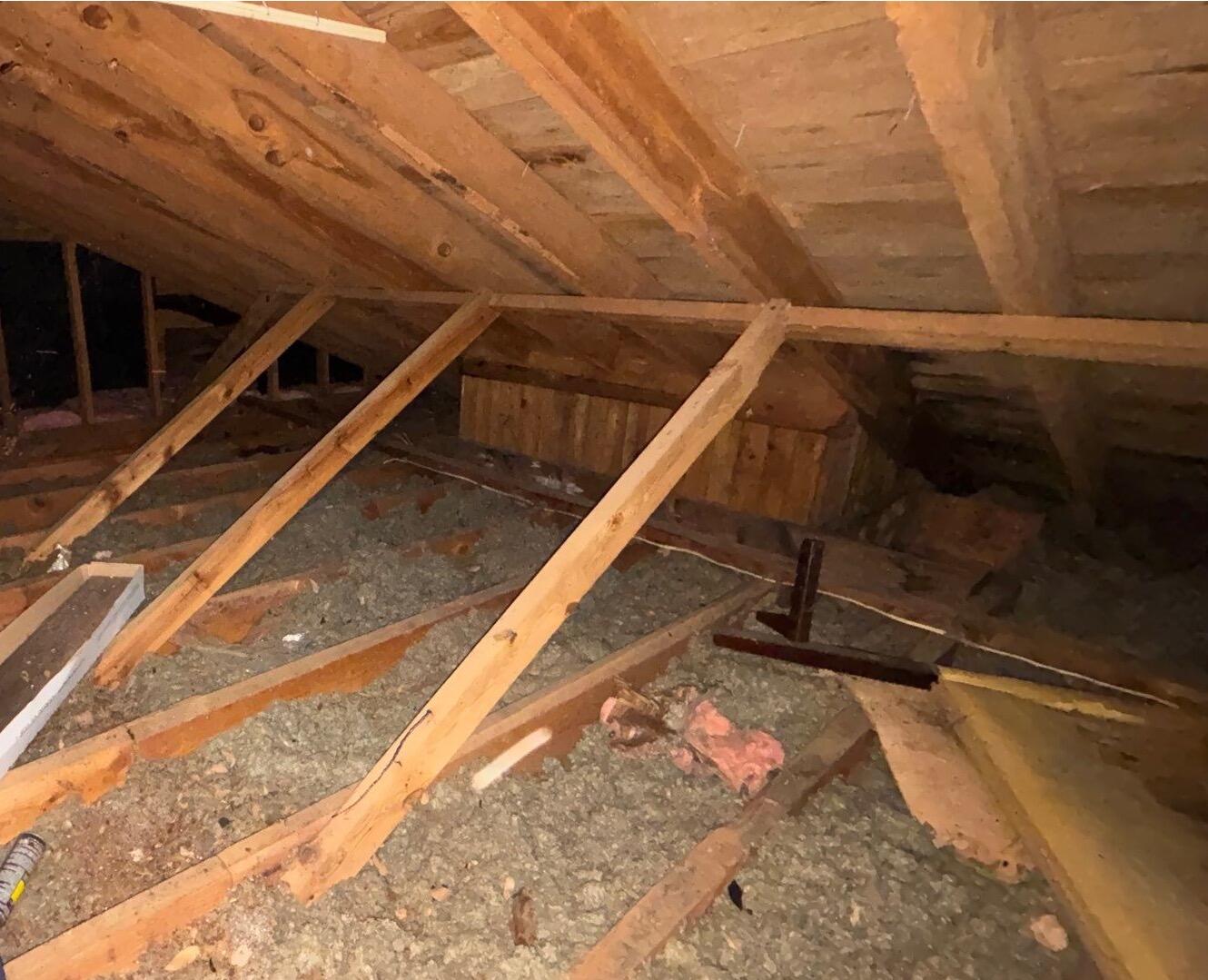
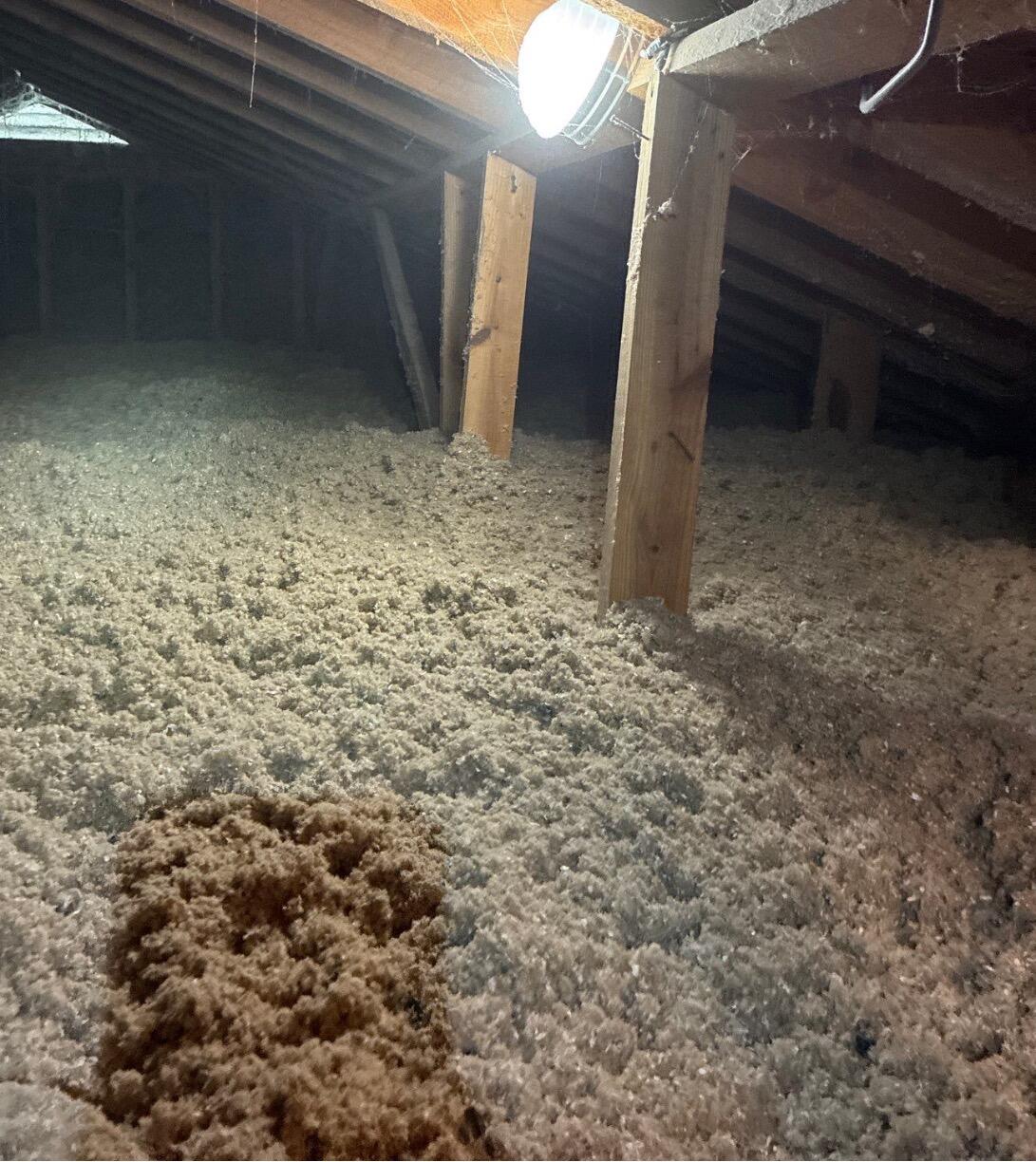
this Waxhaw, Nc homeowner contacted us after experiencing uncomfortable indoor temperatures during warmer weather. While the additions to her 1962 home had newer insulation, the original portion of the attic still contained insulation dating back decades. Initially considering a blown in insulation top off, she wanted a professional evaluation to determine the most effective way to improve her home's comfort and energy efficiency.
Rather than simply adding insulation over the existing materials, our team completed a full attic insulation system. this included removing the old insulation, thoroughly air sealing gaps and penetrations to reduce unwanted air leakage, and installing fresh blown-in insulation to create a more consistent thermal barrier. These improvements will limit heat transfer, reduce energy loss, and support better indoor comfort throughout the year.

