

Before & After Photos
Click on a photo to enlarge.
Fairfax VA Attic Hatch Upgrade


This Fairfax VA home is undergoing an attic transformation including removal of old insulation, air sealing, spraying to prevent future mold growth and the building of a new attic hatch landing. This will be a better and safer place to enter the attic and will allow for standing room for anyone needing to navigate the space for service or storage needs. Building up walls around the attic hatch will help prevent any insulation from falling into the area of the home below when the access door is opened.
Fairfax Station Storage Attic Insulation


Homeowners often try to get the most possible use out of the space in their home. That can include turning small sections of attic into storage areas. This storage space was cold in the winter and hot in the summer and the air inside was impacting the room it was attached to. Our production team installed Silver Glo insulation panels and sealed them up with Zyp Foam. This will better regulate the temperature and comfort for the room it is in.
Fairfax Station Attic HVAC duct insulation


Most attic insulation projects have several steps in the service to improve their performance. Removal of old insulation, air sealing and new insulation installation are some of the most common options as was the case with this Fairfax Station home. An often added step to promote even better performance is to encapsulate the HVAC ducts in an attic with spray foam. Metal HVAC ducts running through a hot attic in the summer or a cold attic in the winter can have trouble effectively delivering heated or cooled air created by the HVAC system. Spray Foam insulation protects the conditioned air by keeping the ducts from allowing attic temperatures to have an impact.
Dumfries VA homeowner spray foam
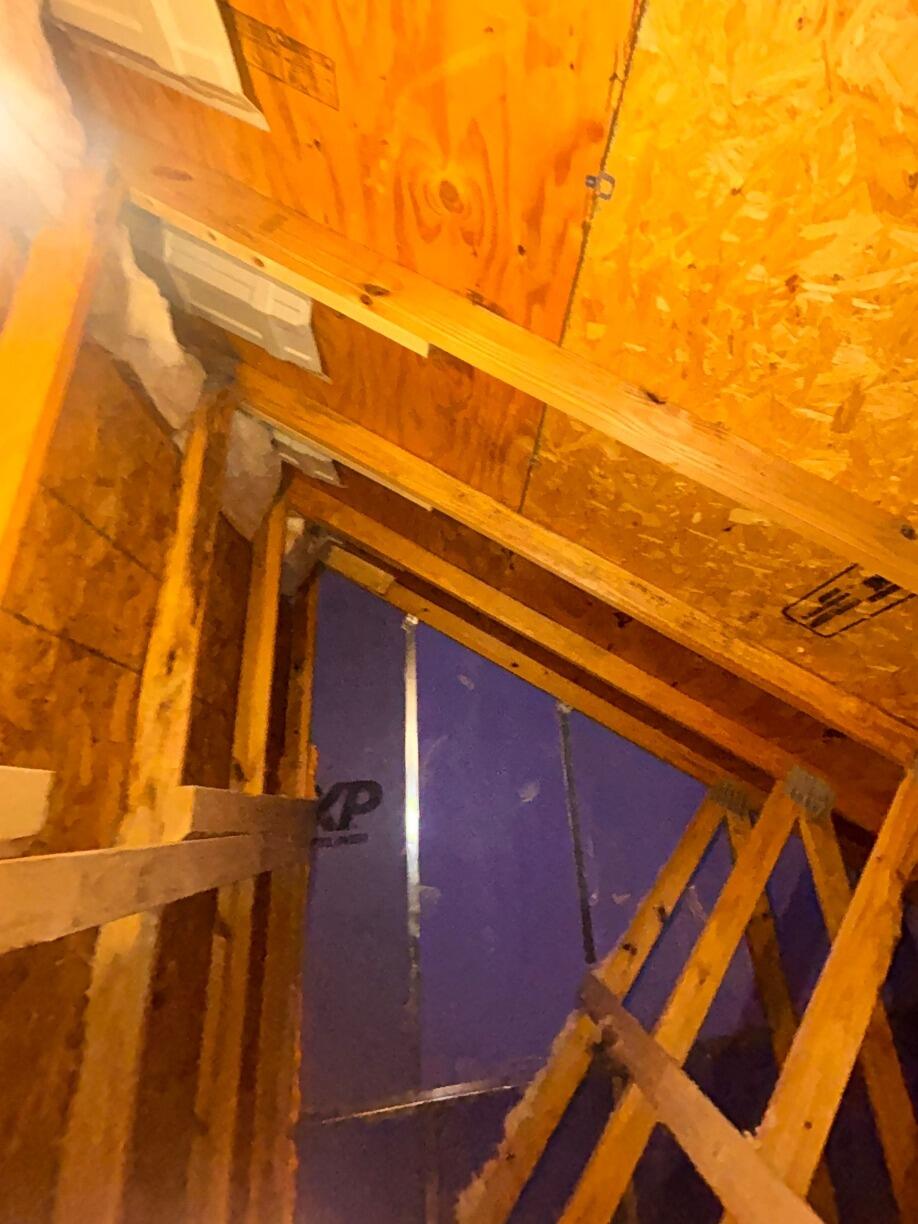
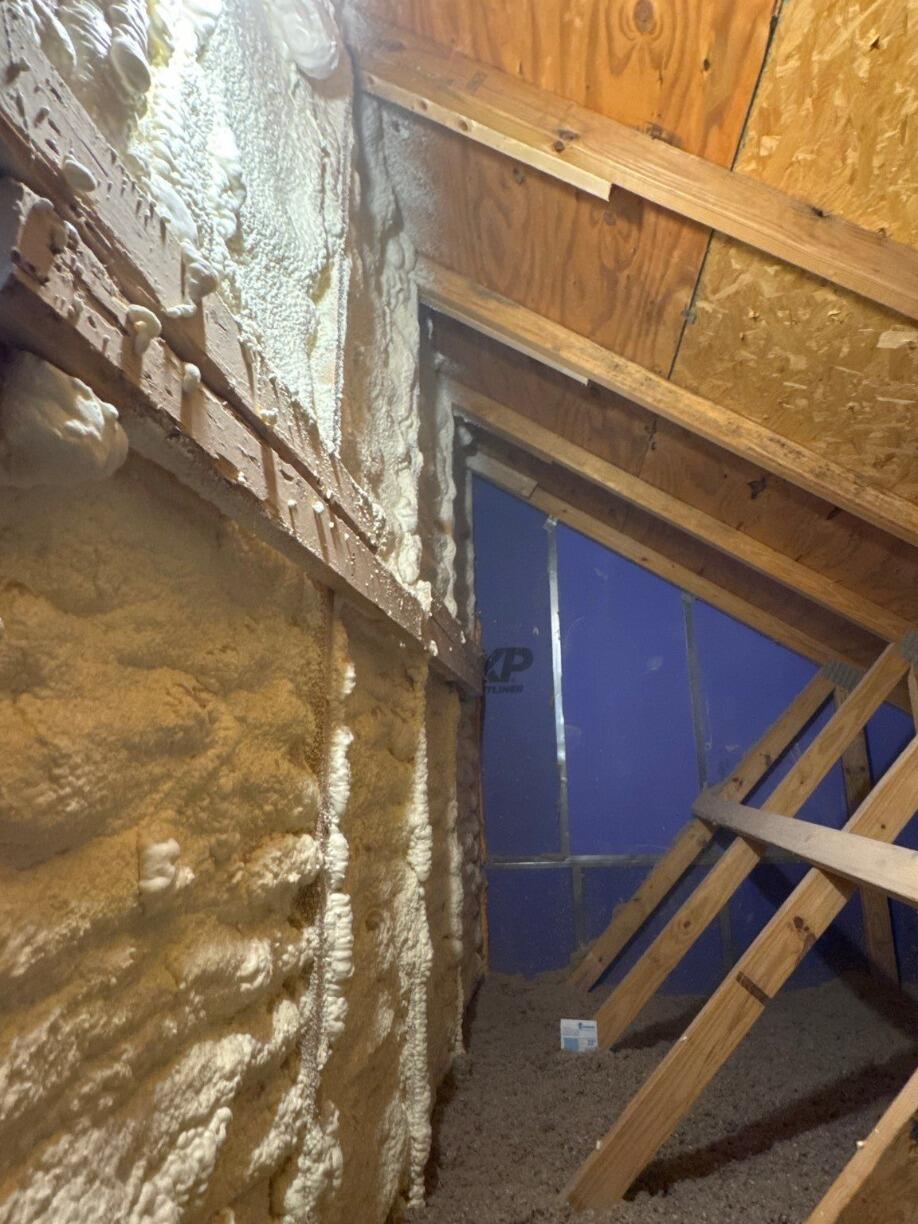
Dumfries VA homeowner wanted spray foam insulation in their attic area.
Vienna VA Attic Chimney Wrap


Part of this attic project in Vienna VA included wrap insulating this Chimney pipe with a rock wool sleeve. This helps keep the heat being exhausted through the chimney from getting into the attic and reduces the potential for fire hazard. The existing insulation was removed before the attic was air sealed. The chimney was then wrapped before new insulation was later blown into the attic.

