

Before & After Photos
Click on a photo to enlarge.
Solving High Energy Bills and Uneven Upstairs Temperatures in McDonald, PA 15057
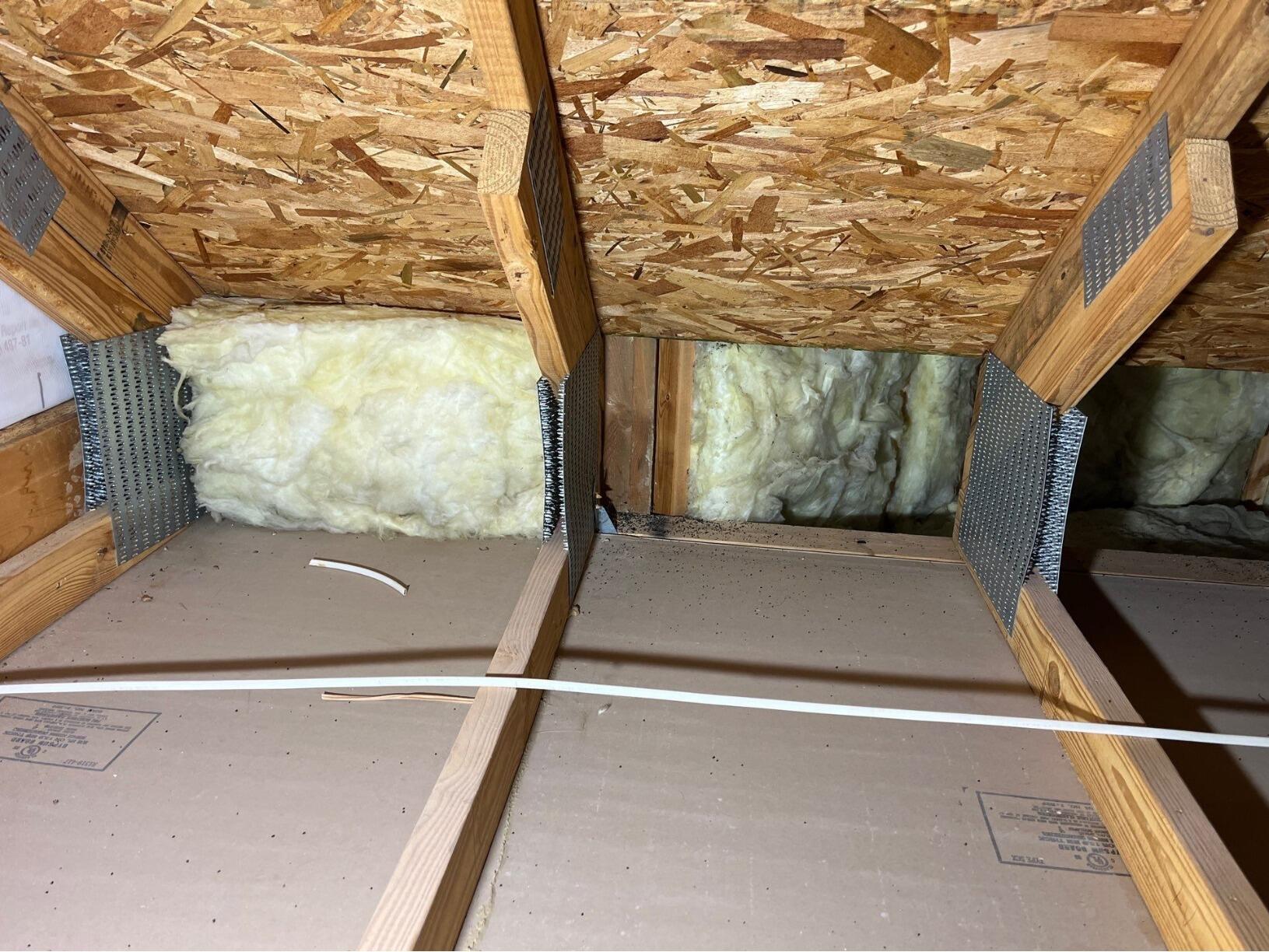
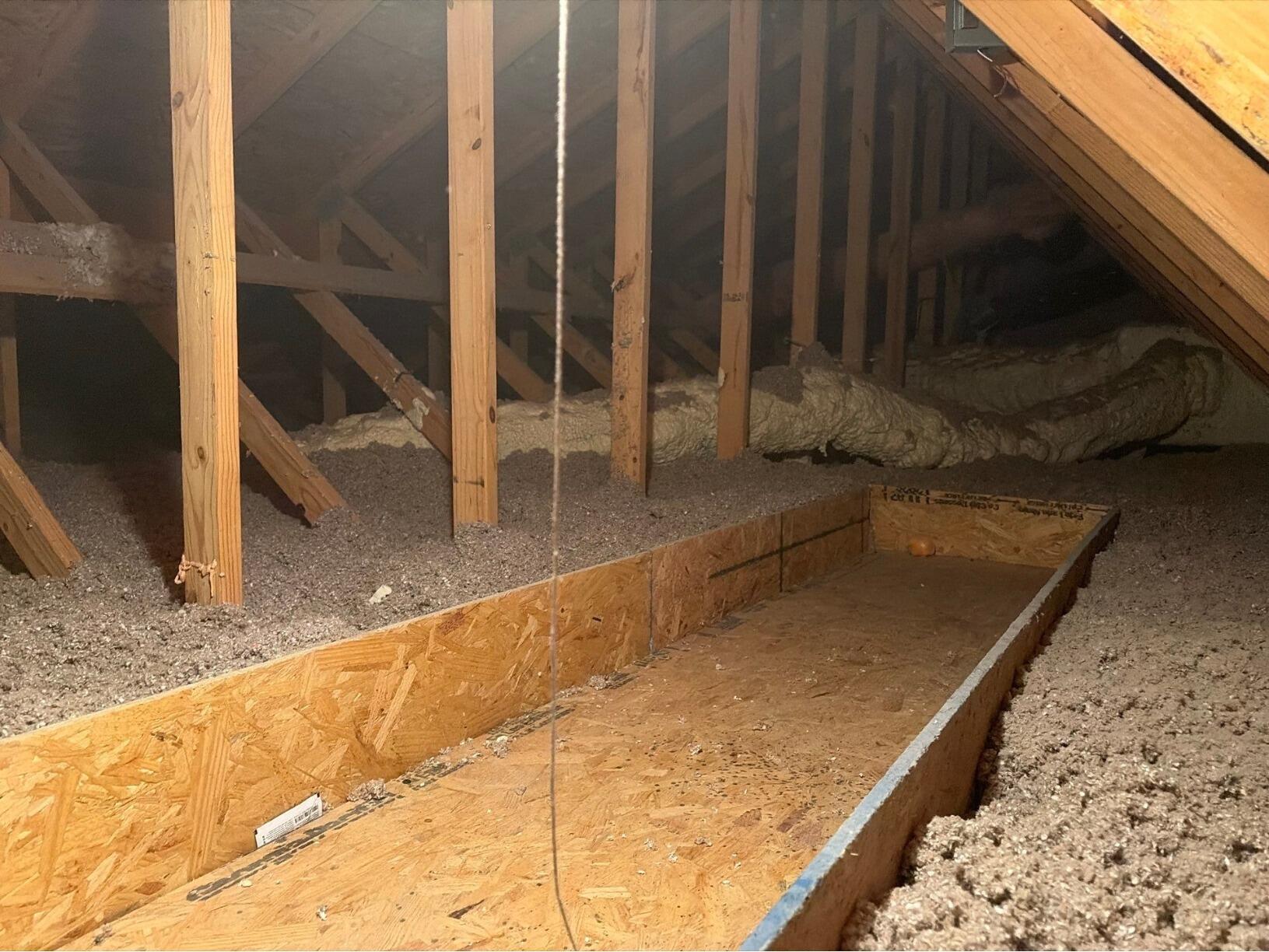
Bob was dealing with a problem that many owners of two-story homes know well: the upstairs never seemed to be comfortable. Along with inconsistent second-floor temperatures, high energy bills were another sign that the home wasn't performing as efficiently as it could.
When the upstairs is too hot in the summer or too cold in the winter, it's easy to assume the heating and cooling system isn't powerful enough. But before replacing HVAC equipment, it's important to look at what's happening above the second-floor ceiling.
Our team evaluated Bob's attic and developed a comprehensive solution designed to strengthen the air and thermal boundary at the top of the home.
We completed comprehensive attic air sealing to reduce the hidden pathways that allow conditioned air to escape from the living space. We also sealed the top plates, an often-overlooked source of air leakage where interior walls meet the attic.
The attic access was another important part of the project. We properly air sealed and insulated the opening so it wouldn't remain a weak point in the home's thermal boundary.
Additional attic improvements included completing a more comprehensive system designed to improve the performance of the attic and the home below.
The important part of this project wasn't simply adding more insulation. Air sealing and insulation have to work together. Insulation slows heat transfer, while air sealing reduces the movement of conditioned air through hidden gaps and openings.
By addressing both parts of the system, Bob's home is now better equipped to maintain consistent temperatures upstairs while reducing unnecessary energy loss.
For homeowners struggling with high energy bills and a second floor that's always too hot or too cold, the solution may not be a larger furnace or air conditioner. The first place to investigate may be right above your head; the attic.
Make Houston Pa home more comfortable year round.


Steve from Houston Pa called Home Environment Solutions saying his home is always cold in the winter and stays warm in the summer. We sent Russell out to preform a FREE home energy audit to see where all his air was escaping. Russ found old loose insulation, unsealed wire/pipe runs and uninsulated scuttle cover. Our insulation team removed all the old batt insulation and disposed of it. Installed Silverglo foam board on scuttle and walls. Sealed all internal and external penetrations with Zypfoam. Installed Trusoft cellulose on the attic floor.
Attic sanitation and insulation upgrade in Houston, PA
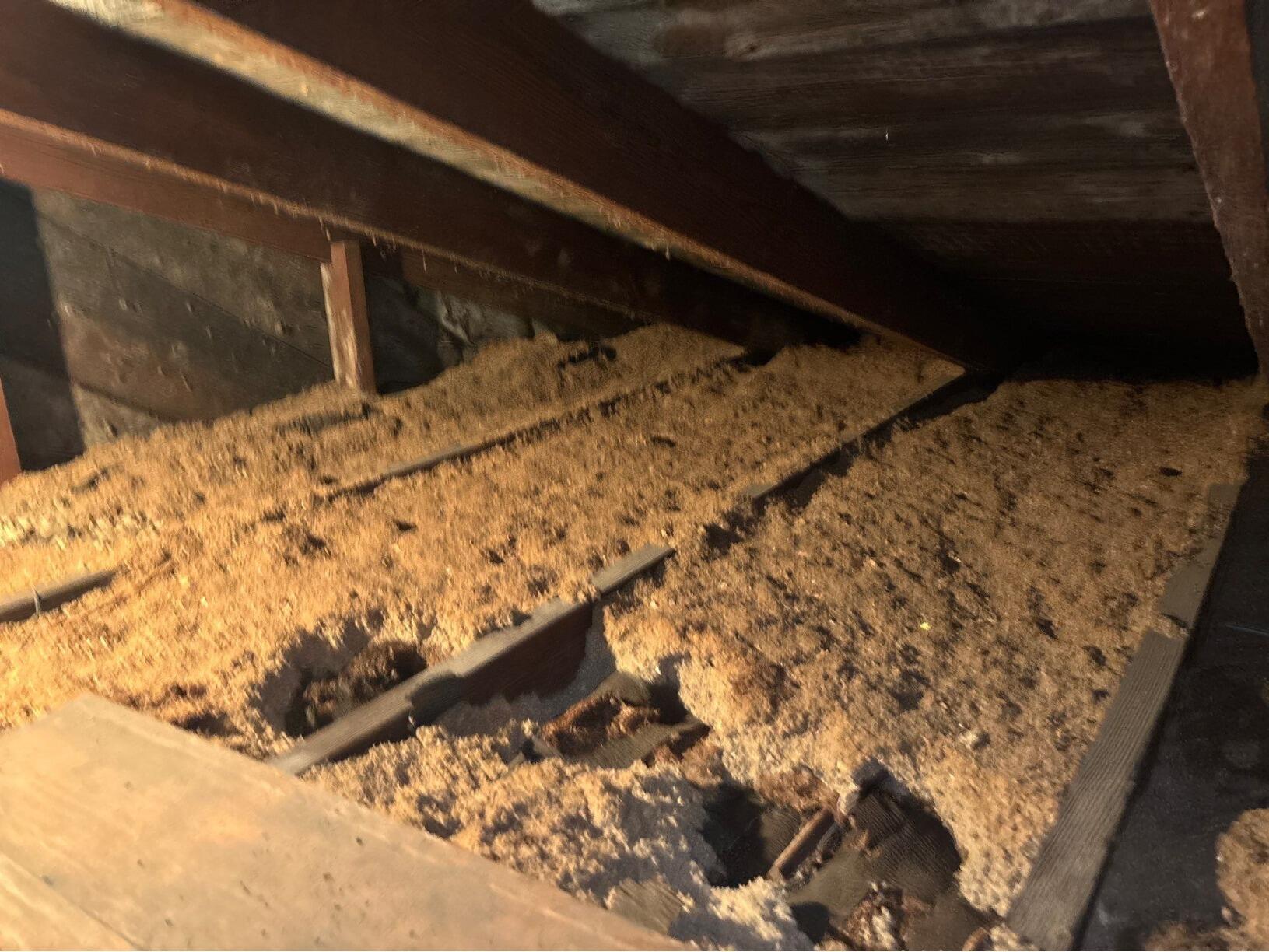
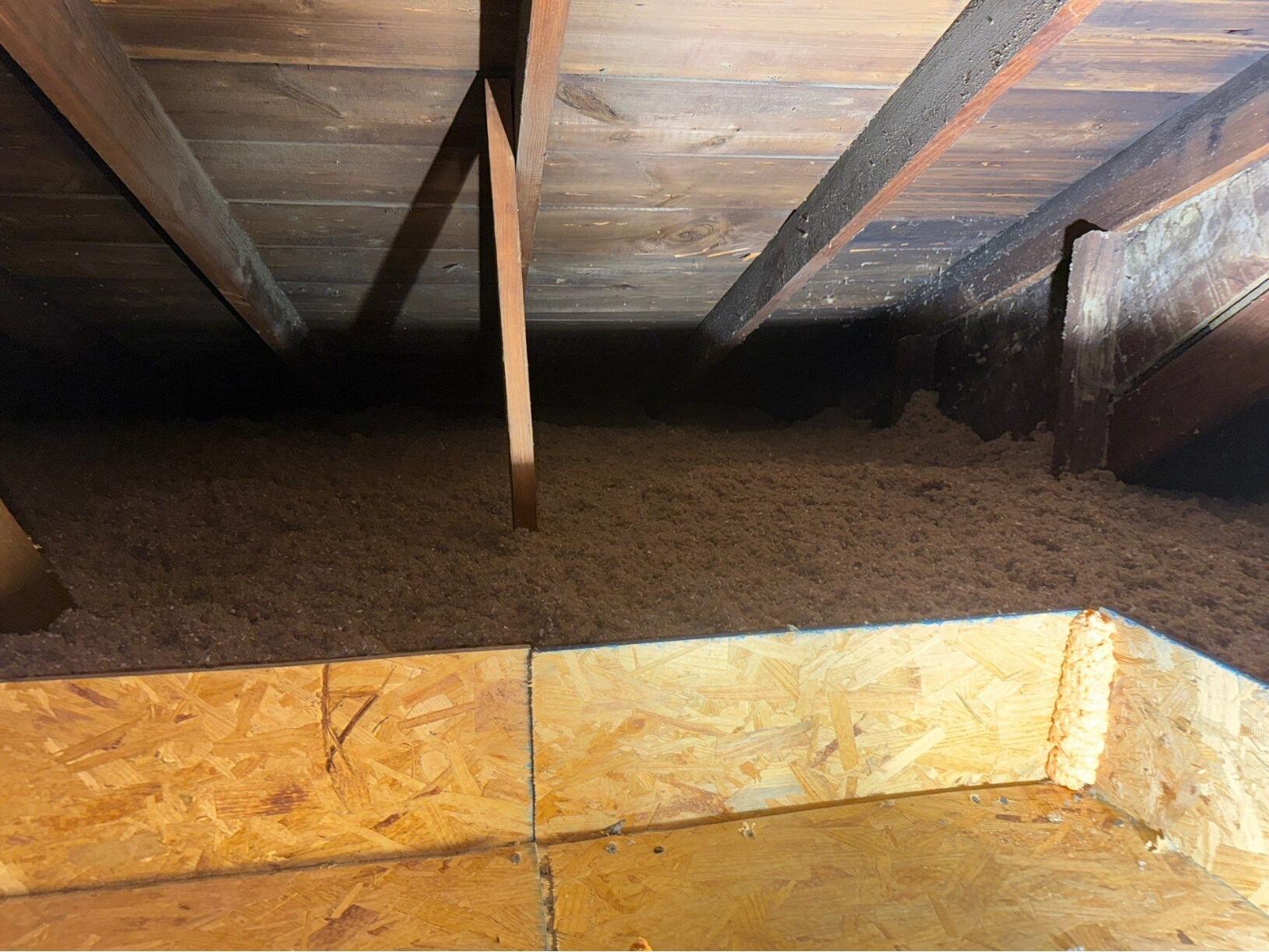
Homeowner Kelly wanted to make her two-story home more comfortable and safe after discovering rodent droppings in the attic. Our team sanitized the attic, air sealed with ZypFoam, and insulated with TruSoft Cellulose blown-in insulation to stop heat loss and improve efficiency. We also enhanced ventilation for better airflow and sealed wiring penetrations to prevent air leaks.
Now, Kelly’s home is cleaner, more energy efficient, and comfortable all year long!
Correcting prior insulation work in Houston, PA
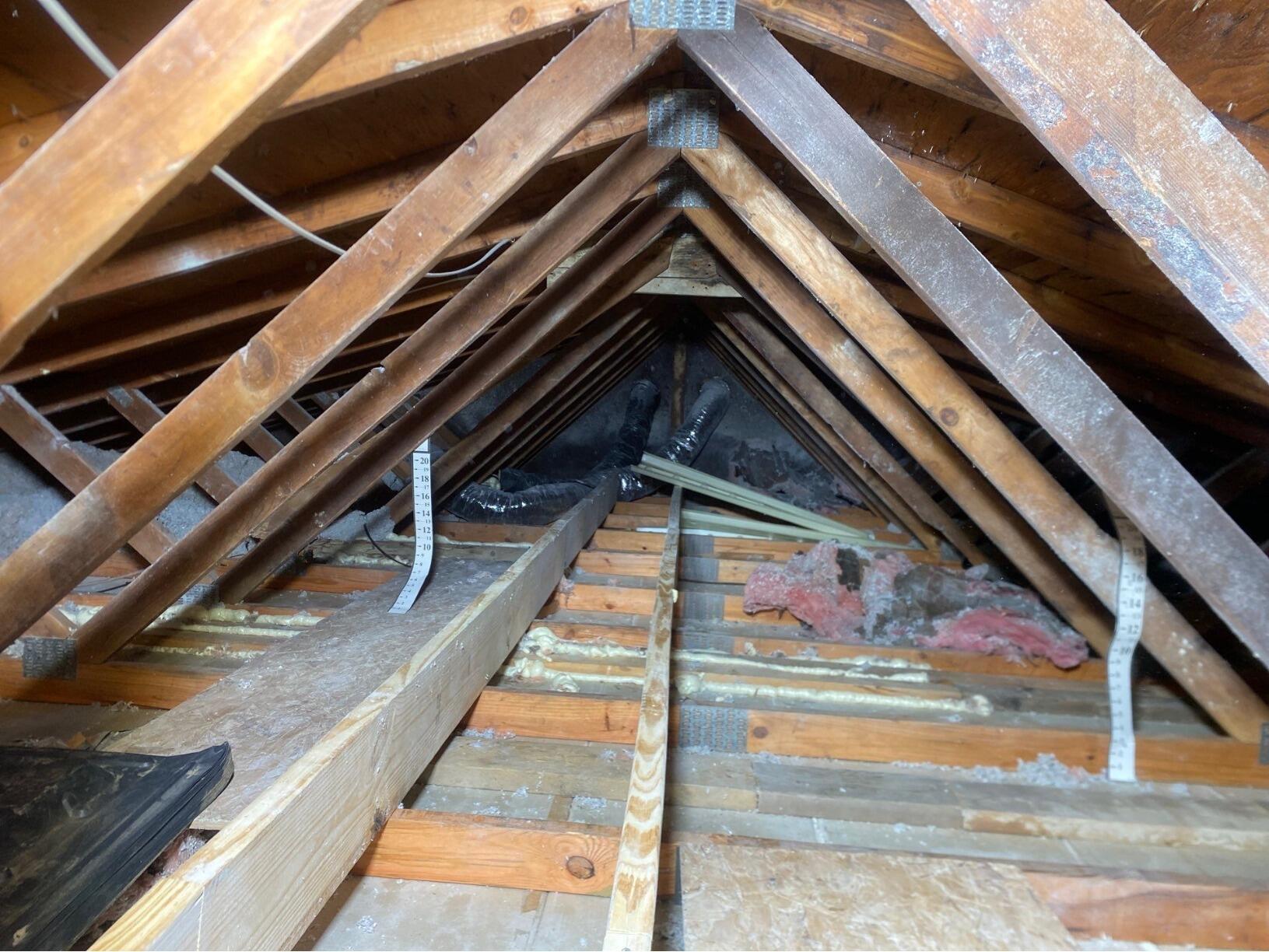
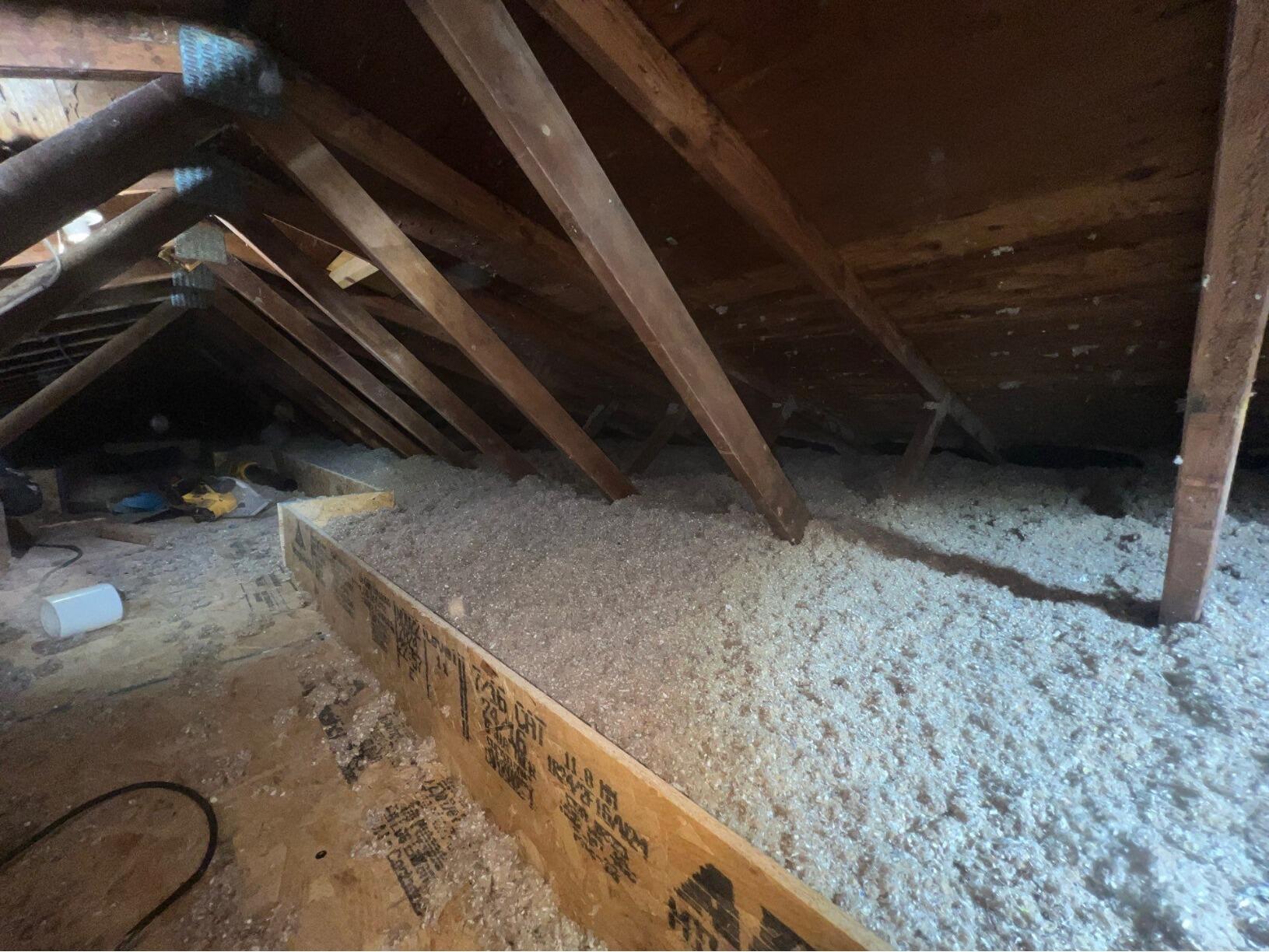
Matt reached out because his single-story home was still drafty and expensive to heat and cool, even after insulation had been installed by a previous company. He knew the work wasn’t performing the way it should and wanted the issues fixed properly.
Our team corrected the prior insulation work, sealed air leaks throughout the attic, upgraded the attic insulation, and improved attic access. We also sealed rim joists and other leakage points to stop air and heat loss where it mattered most.
Now, Matt’s home is noticeably more comfortable year-round, energy bills are lower, and the attic is safer and easier to access. Most importantly, the insulation system is now doing the job it was meant to do.
Improving Air Quality and Energy Efficiency in Leetsdale, PA 15056
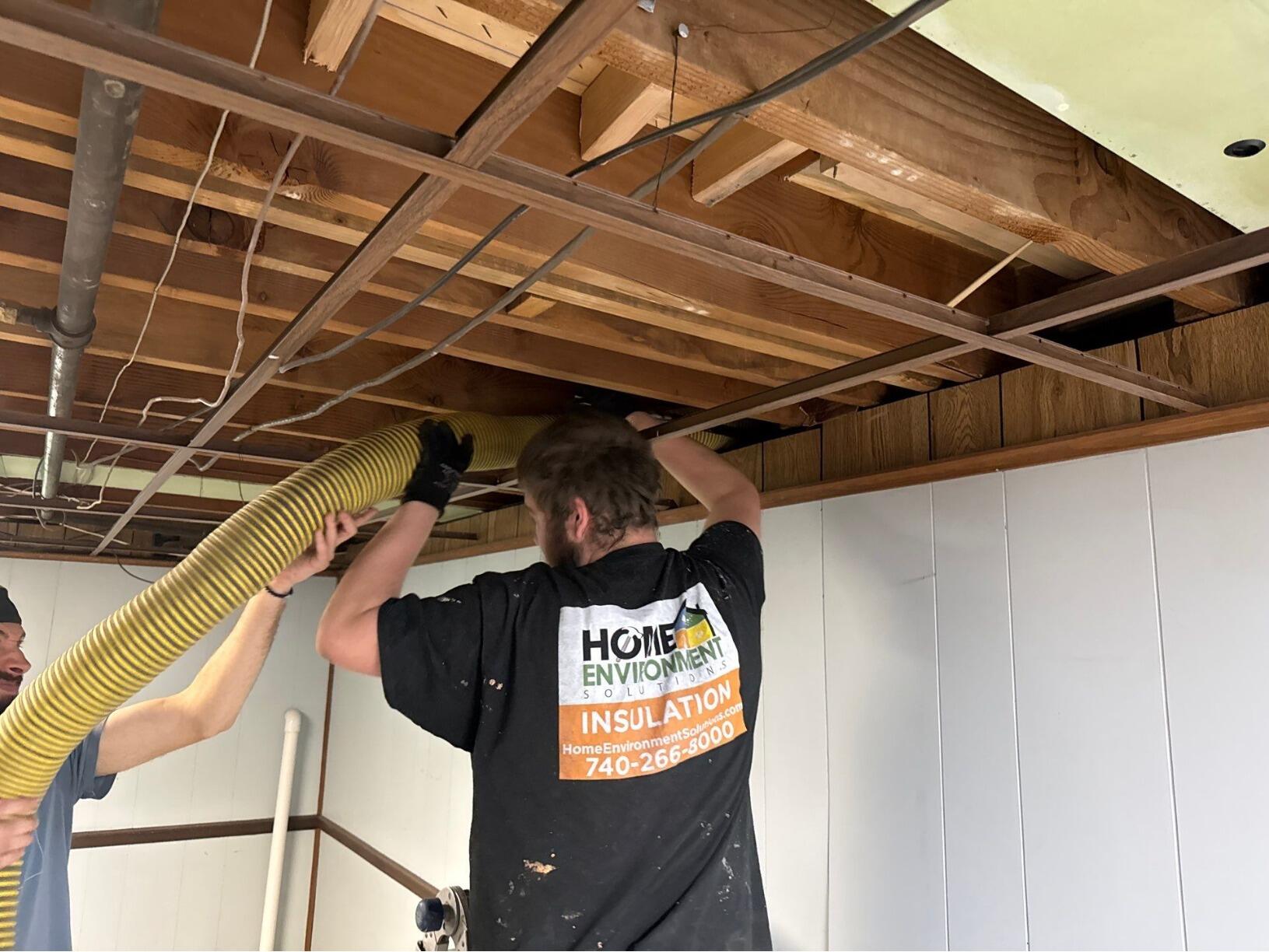
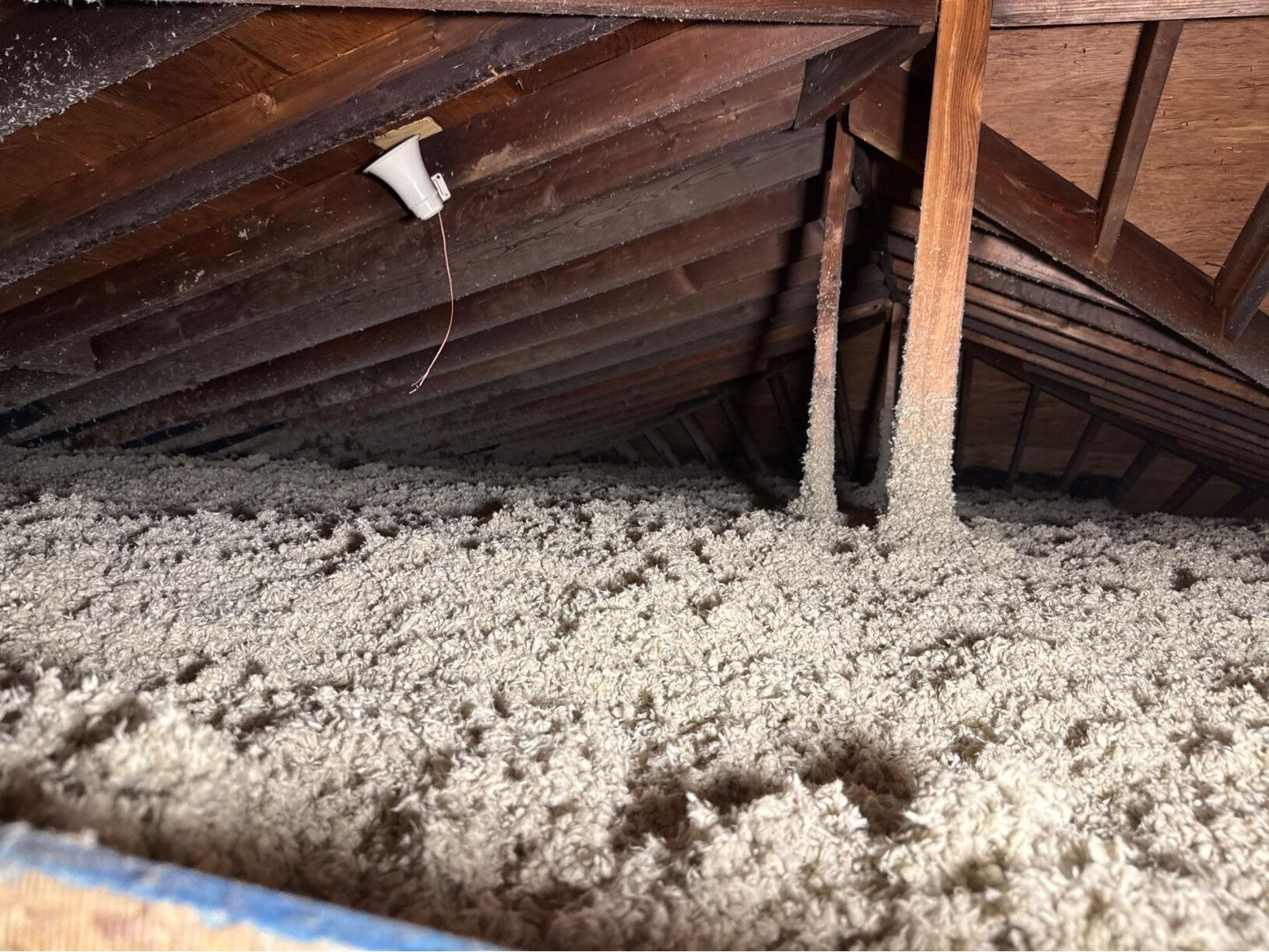
Corey reached out because the home felt drafty, energy bills were higher than expected, and there were concerns about overall air quality inside the home. Air quality was such as issue to this family, that they weren’t even able to occupy their home for an extended period.
Many homeowners don’t realize that poor insulation and air leakage can affect more than comfort and energy usage. When air moves uncontrolled through the attic and wall systems, it can carry dust, allergens, and airborne particles throughout the home.
When we evaluated the attic, we found multiple air leakage points that were allowing conditioned air to escape and outside contaminants to enter the living space. Our team focused on building a tighter, higher-performance attic system.
We sealed attic air leaks, sealed penetrations and top plates, insulated the attic access opening, and improved insulation coverage throughout the attic. By tightening the thermal boundary and reducing uncontrolled airflow, we helped improve both comfort and indoor air quality.
A major goal of this project was reducing airborne particles moving through the home. By controlling airflow at the source, the home now experiences less unwanted air infiltration and improved overall efficiency. Now the home feels tighter, more comfortable, and cleaner overall, with reduced drafts, lower energy loss, and improved indoor air quality.

