

Before & After Photos
Click on a photo to enlarge.
Make Mars Pa home more comfortable year round.
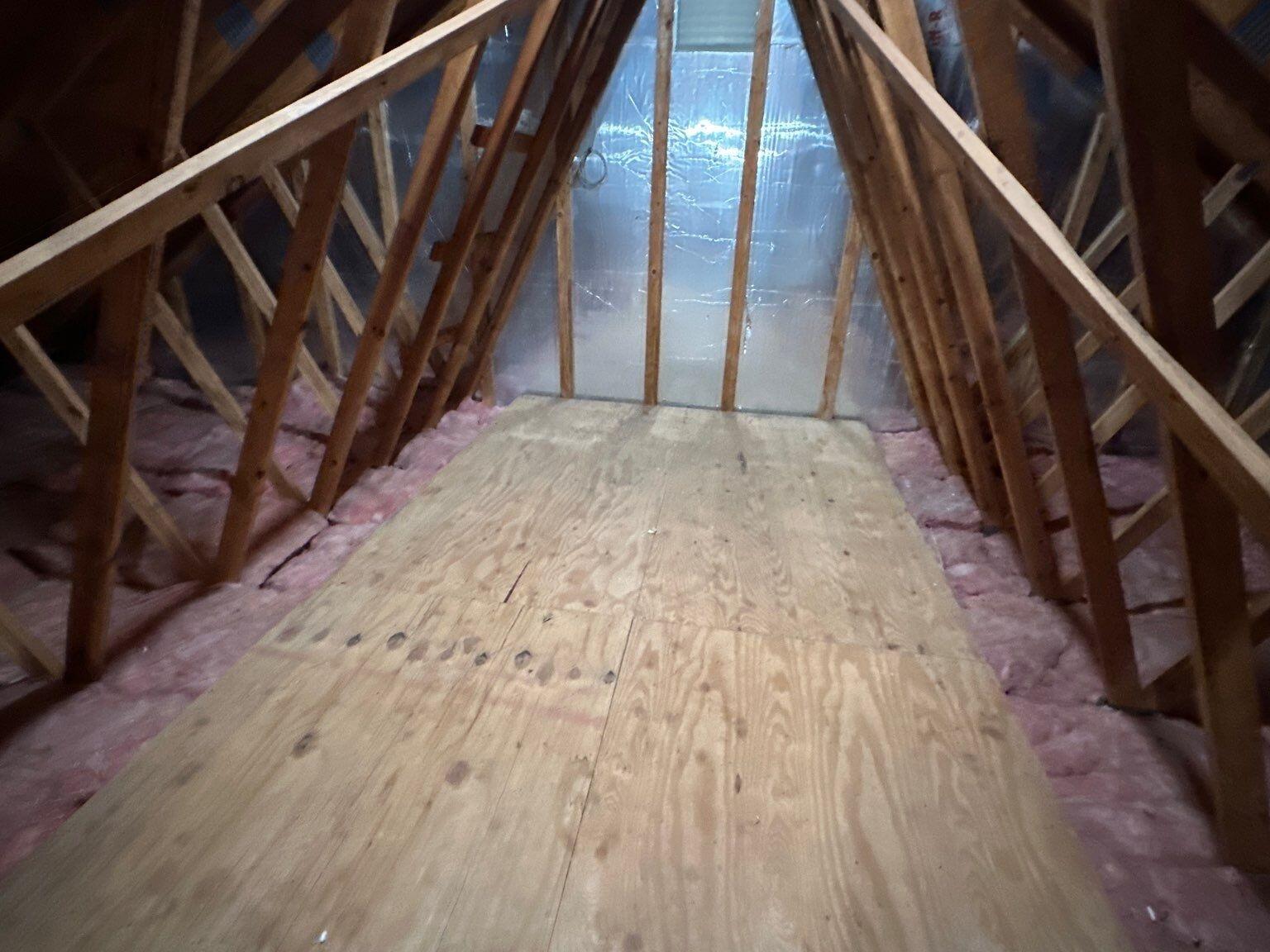
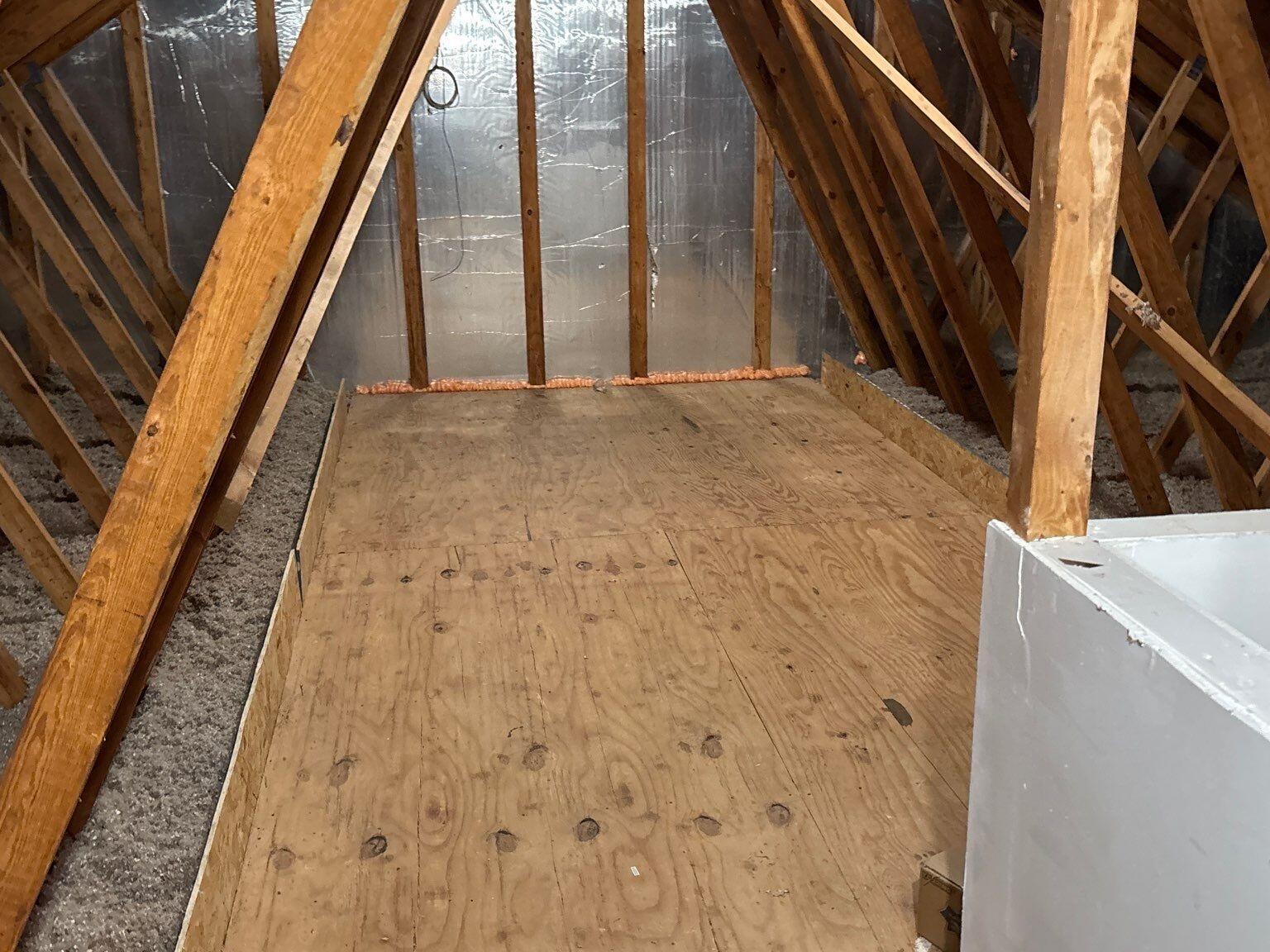
Susan from Mars Pa called Home Environment Solutions saying that they have seen evidence of rodents in their attic and that they have old batt insulation that don't seem to be keeping their house comfortable year round. We schedule our expert Russell to do a FREE Home Energy Audit.
When Russ arrive he found rodent droppings, old batt insulation and multiple unsealed penetrations.
When our insulation crew arrived they removed and disposed of old attic insulation. Disinfected the attic from rodent droppings using Mediclean disinfectant and sanitizer.
Sealed and insulated scuttle cover. Sealed all penetrations with Zypfoam, airsealed shower ceiling, installed Silverglo foam board on vertical walls and blow in Trusoft cellulose on the attic floor.
Making an upstairs more comfortable year round in Mars, PA 16046
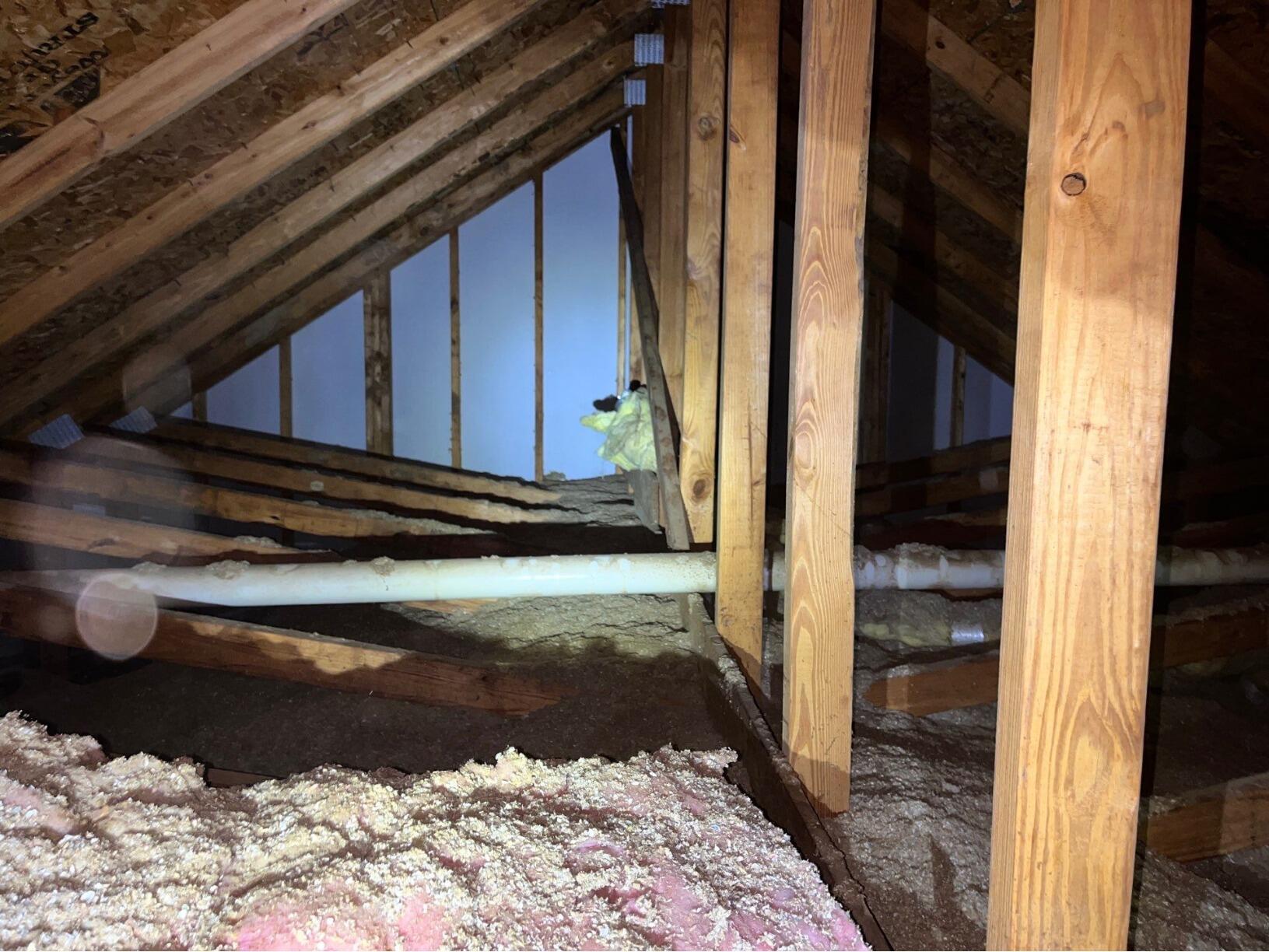
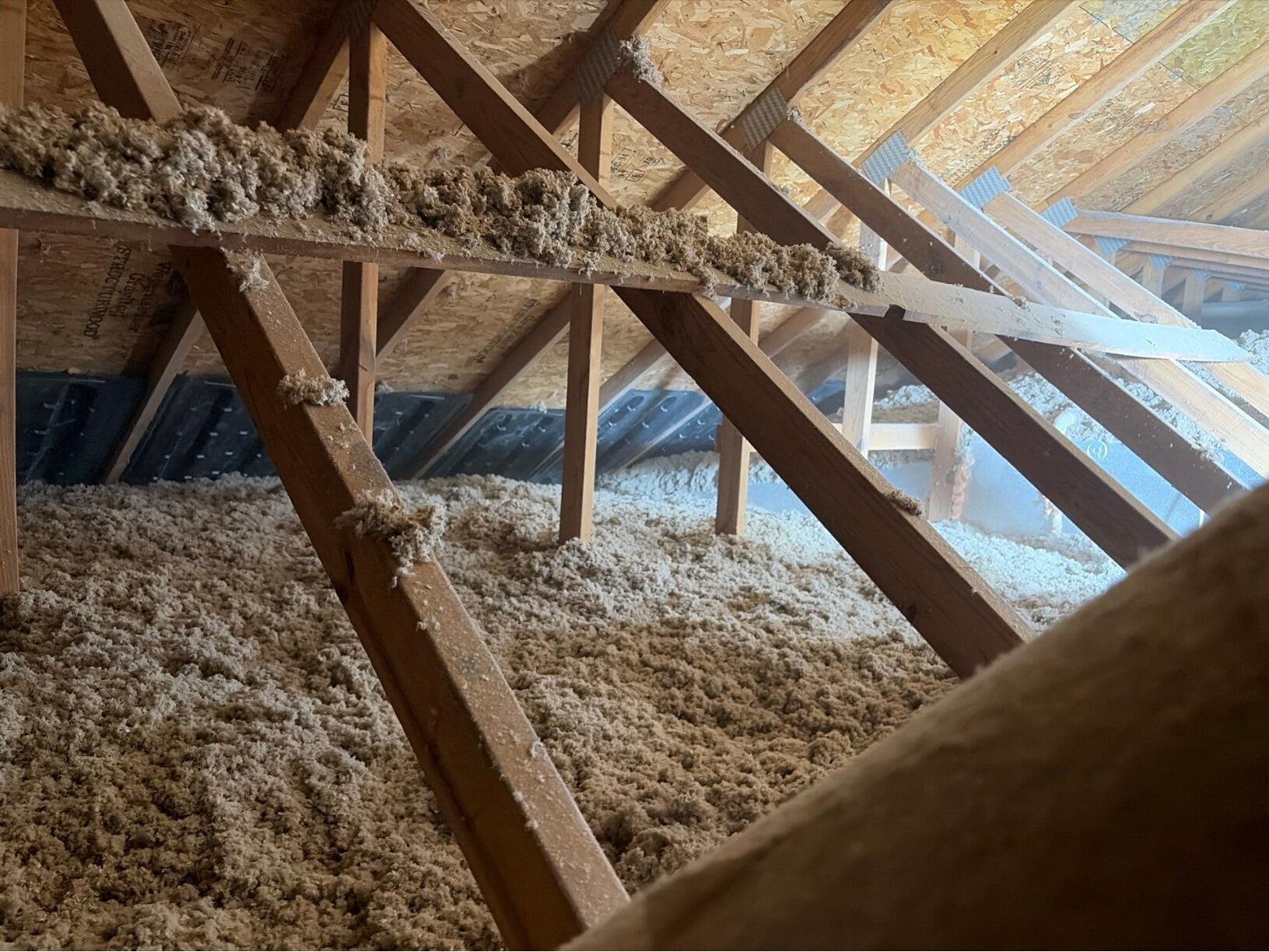
Jeff was dealing with two comfort problems that are common in two-story homes: drafty rooms and an upstairs that was difficult to keep at a consistent temperature. When the second floor feels too hot in the summer or too cold during the winter, homeowners often assume their heating and cooling system isn't keeping up. But the real problem can be hidden above the ceiling.
After evaluating Jeff's home, our team focused on the attic and the areas where conditioned air could escape from the living space.
We began with comprehensive attic air sealing, addressing hidden openings that allow air to move between the home and attic. We sealed top plates, penetrations, and chimney-related leakage areas to create a tighter separation between the conditioned living space and the attic.
The attic access was another important part of the project. Attic hatches can become significant weak points in the home's thermal boundary, so we properly air sealed and insulated the attic access to reduce heat transfer and conditioned air loss.
We also installed insulation dams where needed. These dams help keep insulation properly contained and maintain consistent coverage, preventing insulation from spilling into areas where it doesn't belong or leaving weak spots along the attic perimeter.
By reducing uncontrolled airflow and improving the way the attic insulation system performs, Jeff's home is now better equipped to maintain comfortable temperatures upstairs throughout the year while reducing the drafts that made certain rooms uncomfortable.
This project is a great example of why solving a hot or cold second floor isn't always about adding more heating or cooling. Finding and sealing the hidden pathways where conditioned air escapes can make a major difference in how the entire home feels.
Bethel Park PA Clean Attic Storage and New Insulation

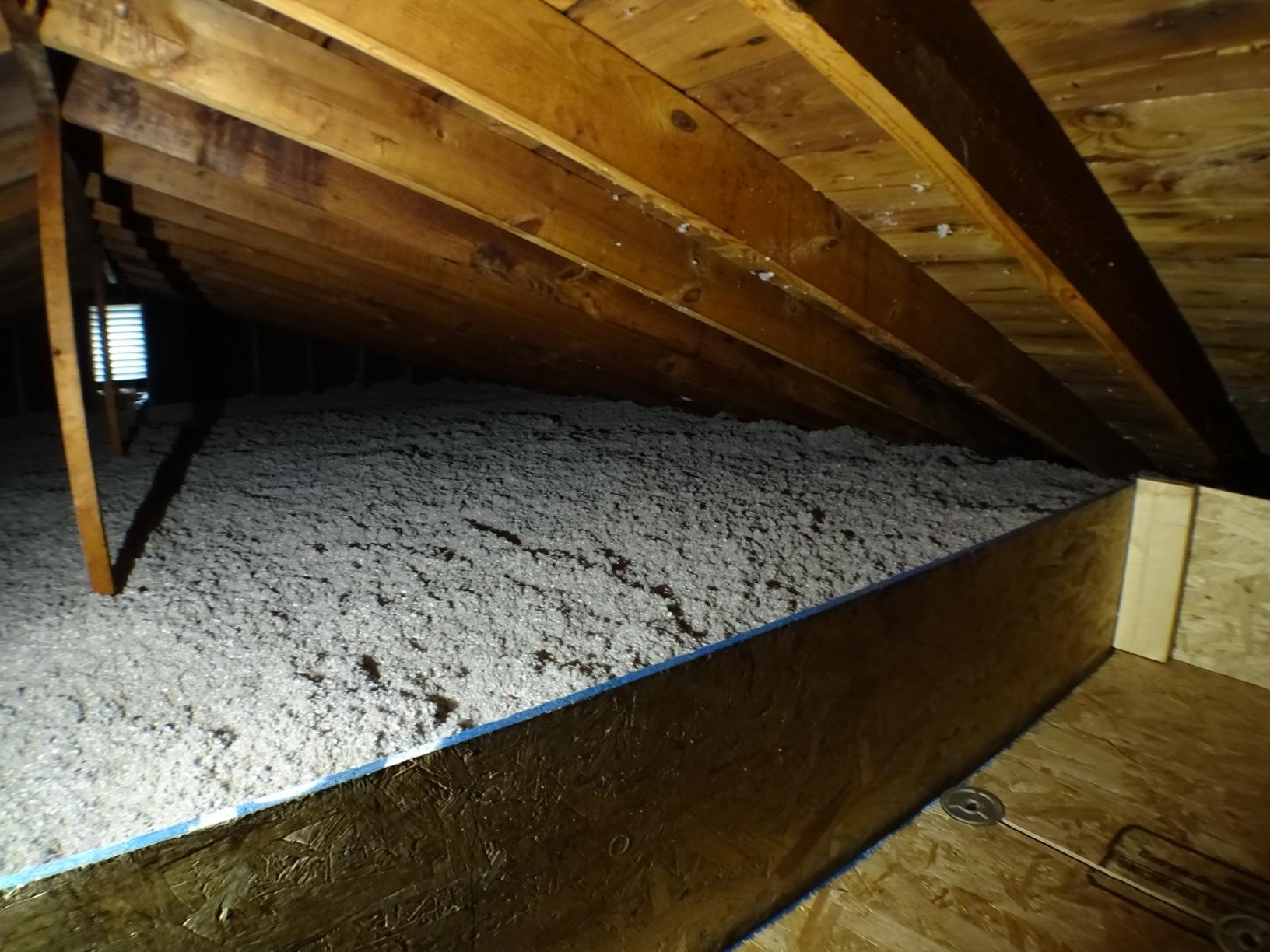
High energy bills and a need for clean storage lead this Bethel Park, PA customer to Home Environment Solutions. After doing a free full home energy audit, HES discovered insufficient and deteriorating fiberglass insulation in the attic. This is no surprise, the North American Insulation Manufacturer Association (NAIMA) says that 90% of all single family homes are under insulated.
HES cleaned out the old deteriorating insulation, air sealed, and insulated using Tru-Soft Cellulose Insulation. Particle board was used to dam the insulation and create clean storage for this customer.
Not only can the customer store all of their belongings safely, but they will be saving on their energy bills, too!
Fix hot/cold rooms and attic upgrade in Bethel Park, PA 15102
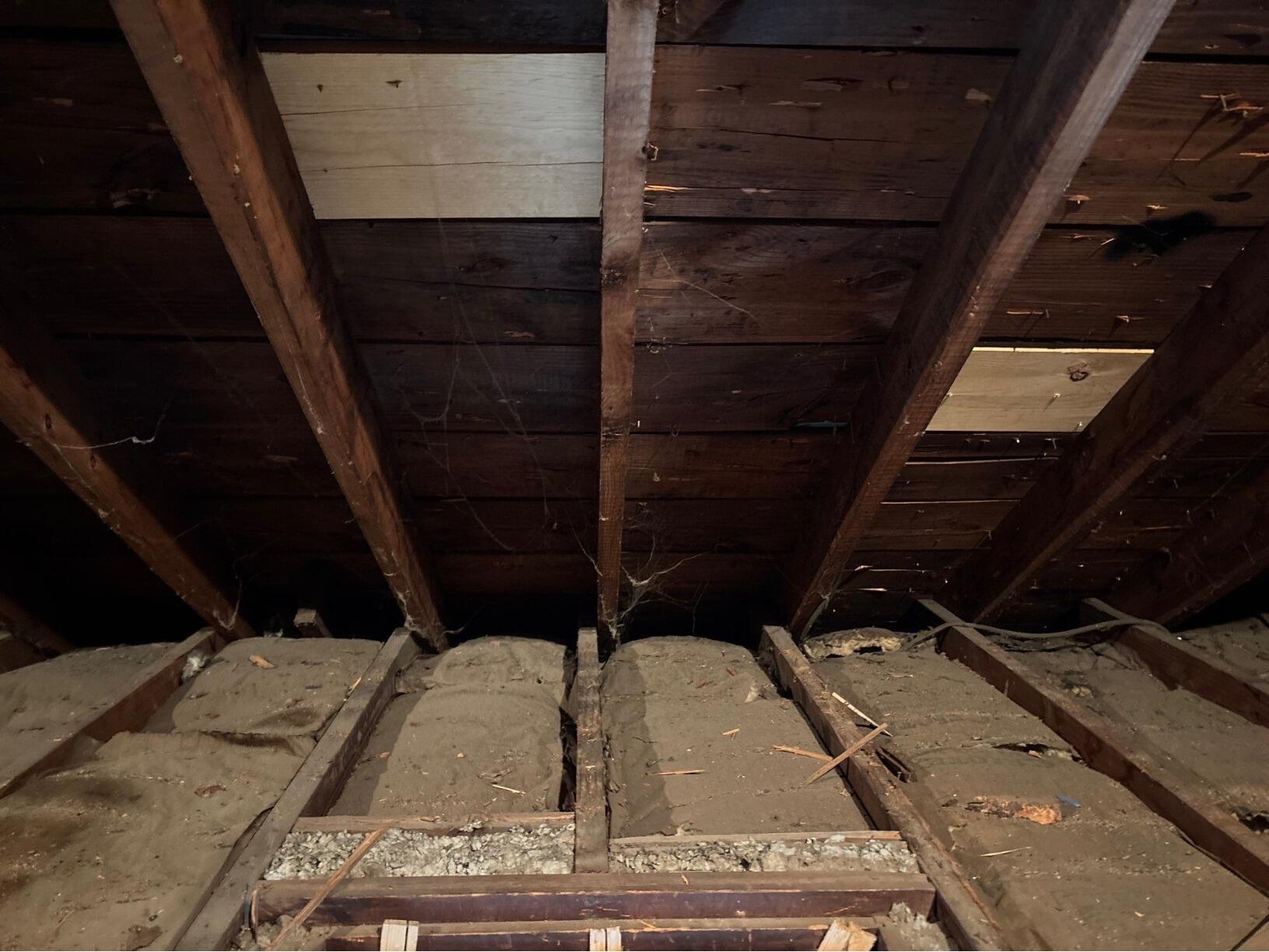
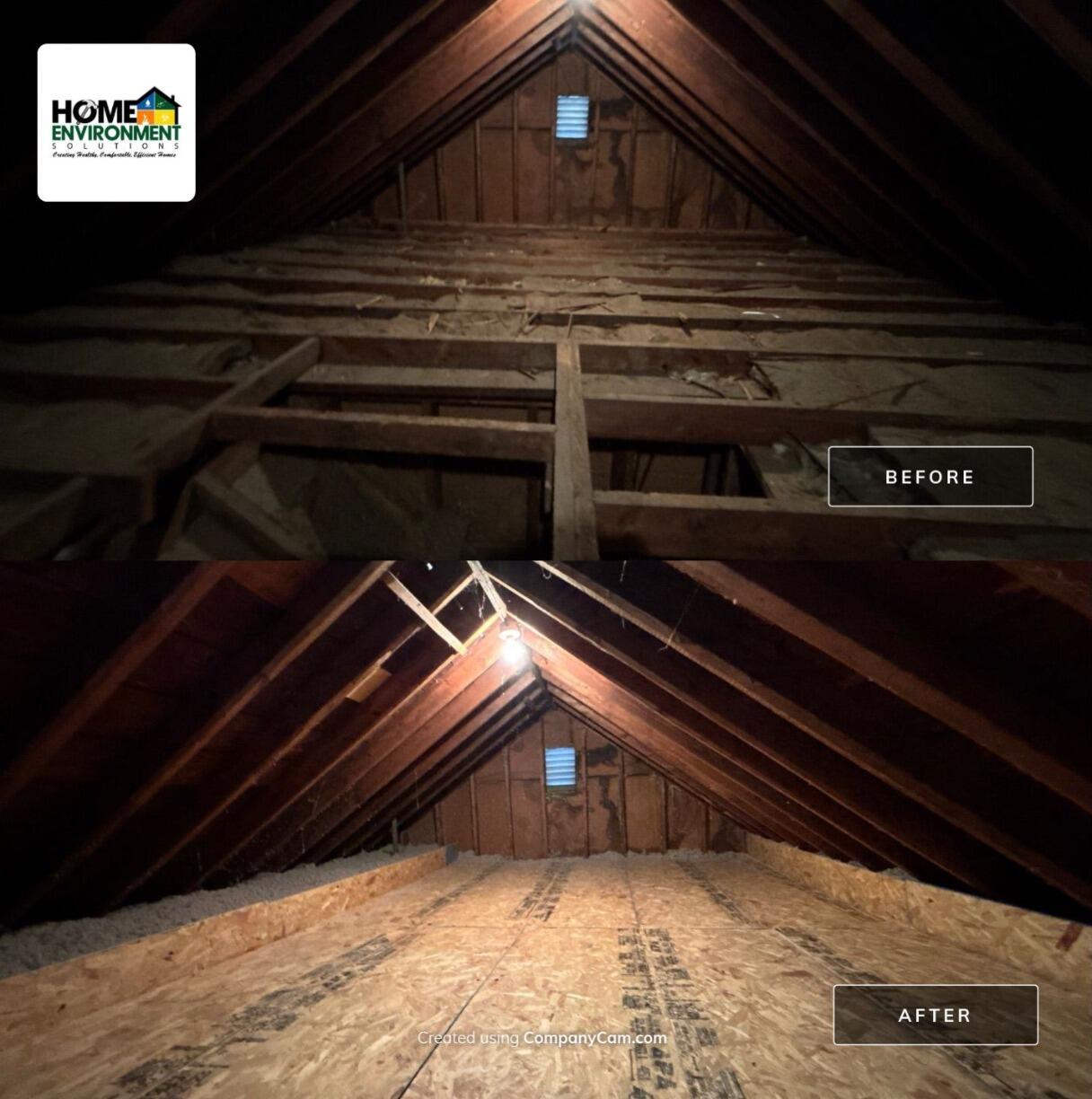
Dale reached out because his two-story home was uncomfortable year-round. The upstairs was too hot in the summer, too cold in the winter, and energy bills kept climbing. He wanted better comfort, lower energy costs, and improved attic usability.
Our team air-sealed and insulated the attic, upgraded the attic access, and tightened up air leaks throughout the attic floor. By sealing top plates and improving insulation levels, we stopped conditioned air from escaping and helped balance temperatures throughout the home. They also installed a superplatform catwalk, giving Dale more access for storage and equipment maintenance in his access.
Now, Dale’s home stays more comfortable in every season, energy costs are lower, and the attic space is easier and safer to use.
Eliminating Attic Mold and Ice Formation in Bethel Park, PA 15102
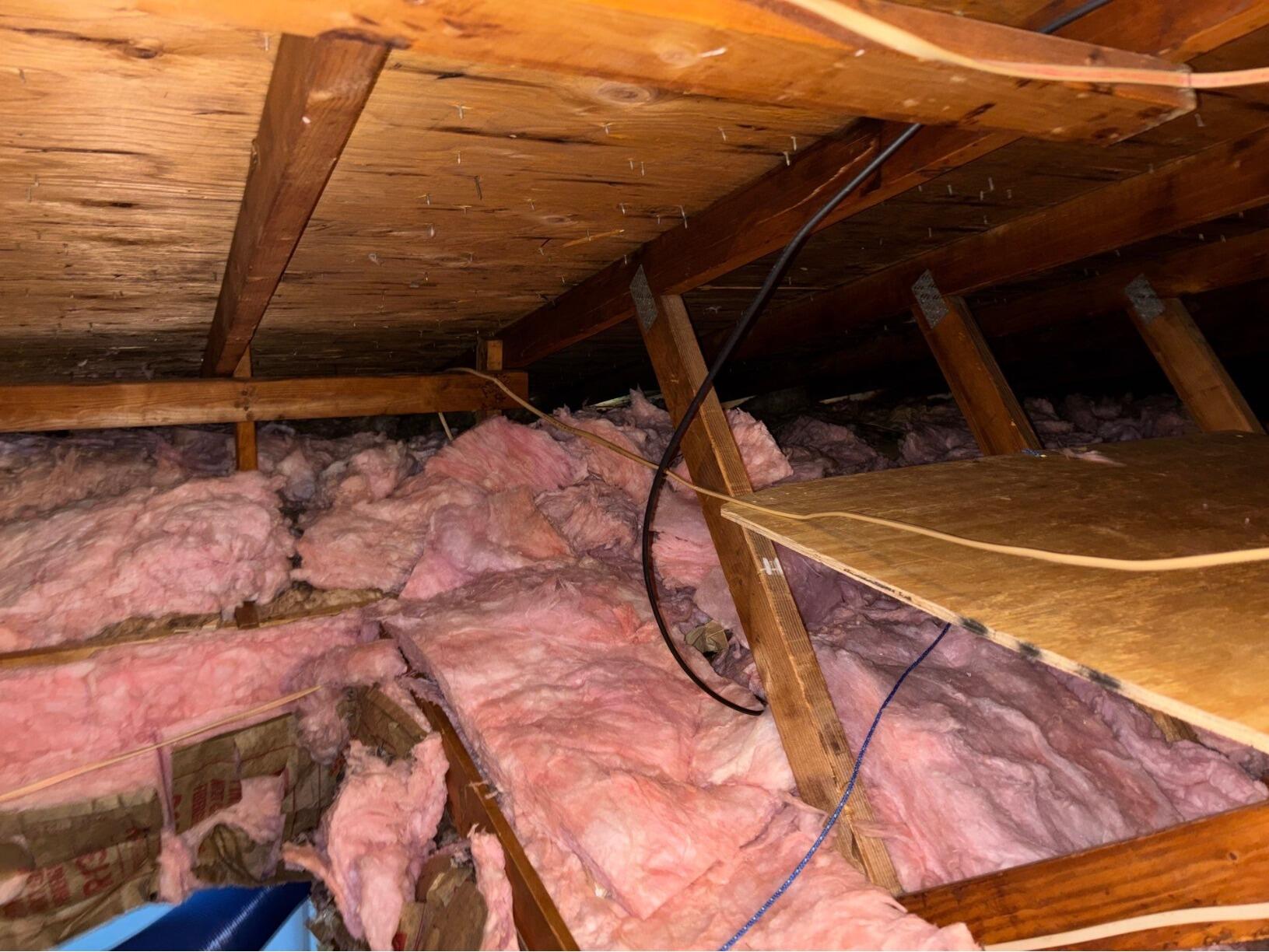
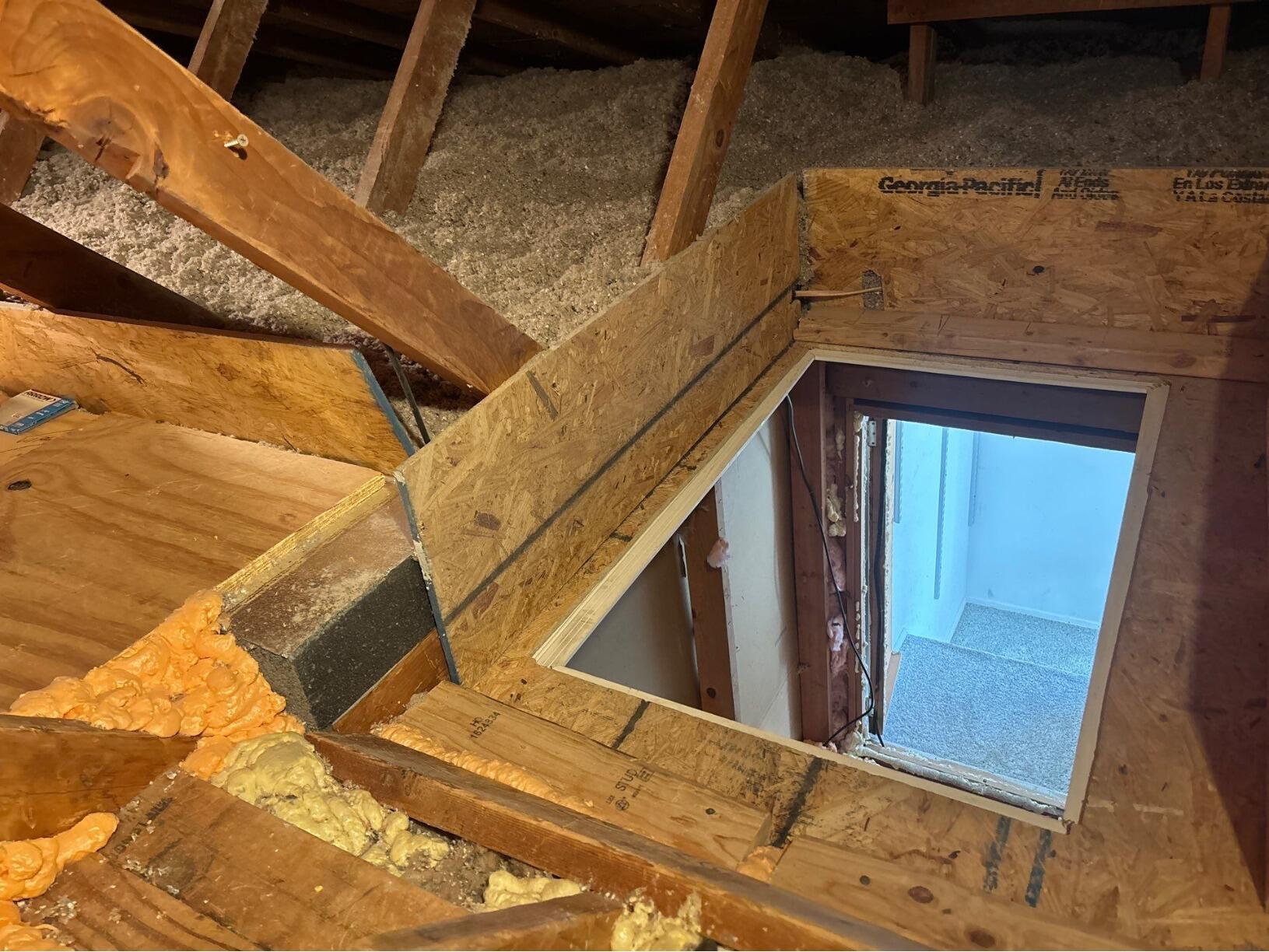
Chris reached out after dealing with high energy bills, uneven temperatures upstairs, and a more serious concern; mold and ice forming inside the attic.
Those issues usually point to the same root cause: warm, moist air escaping from the home into the attic. When that air hits a cold surface, it can create condensation, mold growth, and even ice build-up.
When we evaluated the attic and found air leakage was allowing heat and moisture to rise into the attic space, creating the conditions for both mold and ice.
Our team started by remediating the mold and restoring the attic to a clean, safe condition. From there, we focused on correcting the underlying problem. We sealed attic air leaks, sealed top plates and penetrations, addressed chimney-related leakage, and improved attic accessibility, so the entire space could be properly treated. We also upgraded insulation levels to help control temperature and reduce heat loss.
By stopping the airflow and improving insulation, we eliminated the conditions that were causing both the mold and ice formation. Now the attic is clean, dry, and properly sealed. Temperatures upstairs are more consistent, and the home runs more efficiently without the risk of those issues returning.

