

Before & After Photos
Click on a photo to enlarge.
Sealing Up All Potential Rodent Entry Points Around Home in Matawan, NJ


We're returning to this home in Matawan, NJ to check up on the rodent activity. Previously, this customer had mice infesting his basement. They were able to get into the home by squeezing through several openings around the utility pipes.
After we replenished the bait in all of our rodent bait stations, we turned our attention to sealing up all and any potential entry points around the property. First, we stuffed all the openings with Xcluder® Fill Fabric. Mice hate the taste of metal and this will deter them away from the area as well as form a firm and tight barrier to keep the rodents out. Afterward, we sealed the Xcluder® Fill Fabric in place with a premium, waterproof adhesive.
Once we were all done, the last thing we did was schedule some additional follow up visits to continue to monitor the bait stations and replenish the bait inside them until the mice are no longer infesting the home.
Repairing the Damage Done by Squirrels in Marlboro, NJ


Now that we have removed all the squirrels from this home in Marlboro, NJ and relocated them to a new, humane location, we're back at the property to repair the damage they done. The squirrels had ripped apart the shingles near the gutter to gain access to the attic. After disinfecting the area, we began to repair the damages. First, we cut a piece of sturdy metal flashing and installed it over the opening. Next, we applied roof grit to the flashing to blend it in with the color of the roof. Afterward, we applied a premium adhesive to the area and spread it across the flashing in order to hold the roof grits in place. Now the damages are repaired and the home is free of squirrels!
Bald-Faced Hornets Bugging Gym Goers in Marlboro, NJ


A short while ago, we received a call from a gym owner in Marlboro, NJ, who had reported that several of his customers were getting attacked and stung by a group of hornets as they were entering and exiting the building. Once we arrived and examined the exterior of the building, we located the hornets nest in a tree, about 20 feet up, that was close to the building. We took a closer look at them and identified these stinging insects as bald-faced hornets.
Bald-faced hornets are social stinging insects that have white markings on their face. They're extremely aggressive and will sting anything that invades their space. Their stings carry venom that makes the stings hurt, itch, and swell for about 24 hours. Humans are at the same risk of allergic reactions from bald-faced hornet stings as with other insect stings. What makes them even scarier is they have smooth stingers, which means they can sting over and over again, can actually sense vibrations in the air, and remember their invader's face!
Using our extendable pole, we injected a knockdown aerosol and a knockdown liquid application directly into the hornets nest. These products are designed to exterminate the bald-faced hornets quickly. After several moments had passed, we removed the nest, and the branch it was attached to, and disposed of both of them properly.
Bats Can No Longer Pass Through the Gable Vent in Cliffwood, NJ
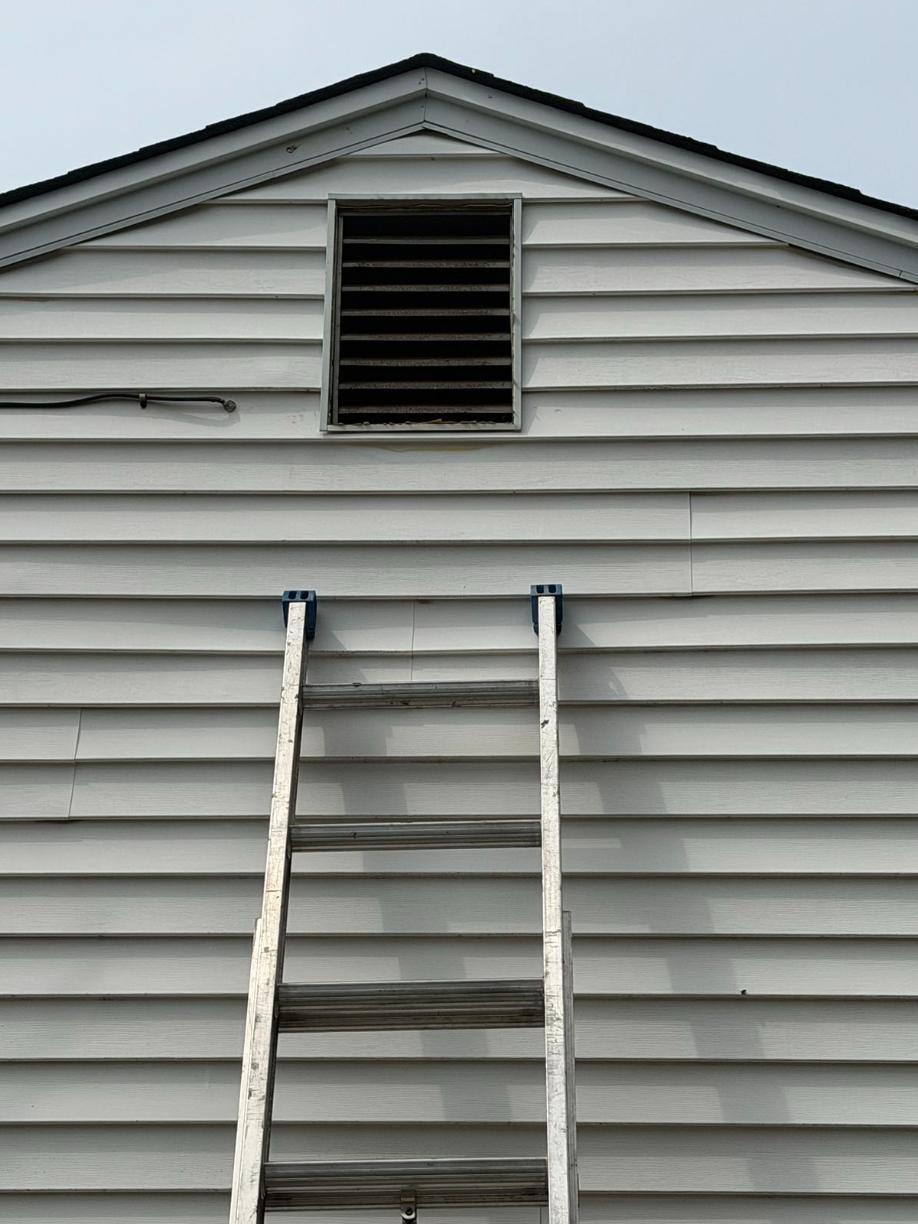
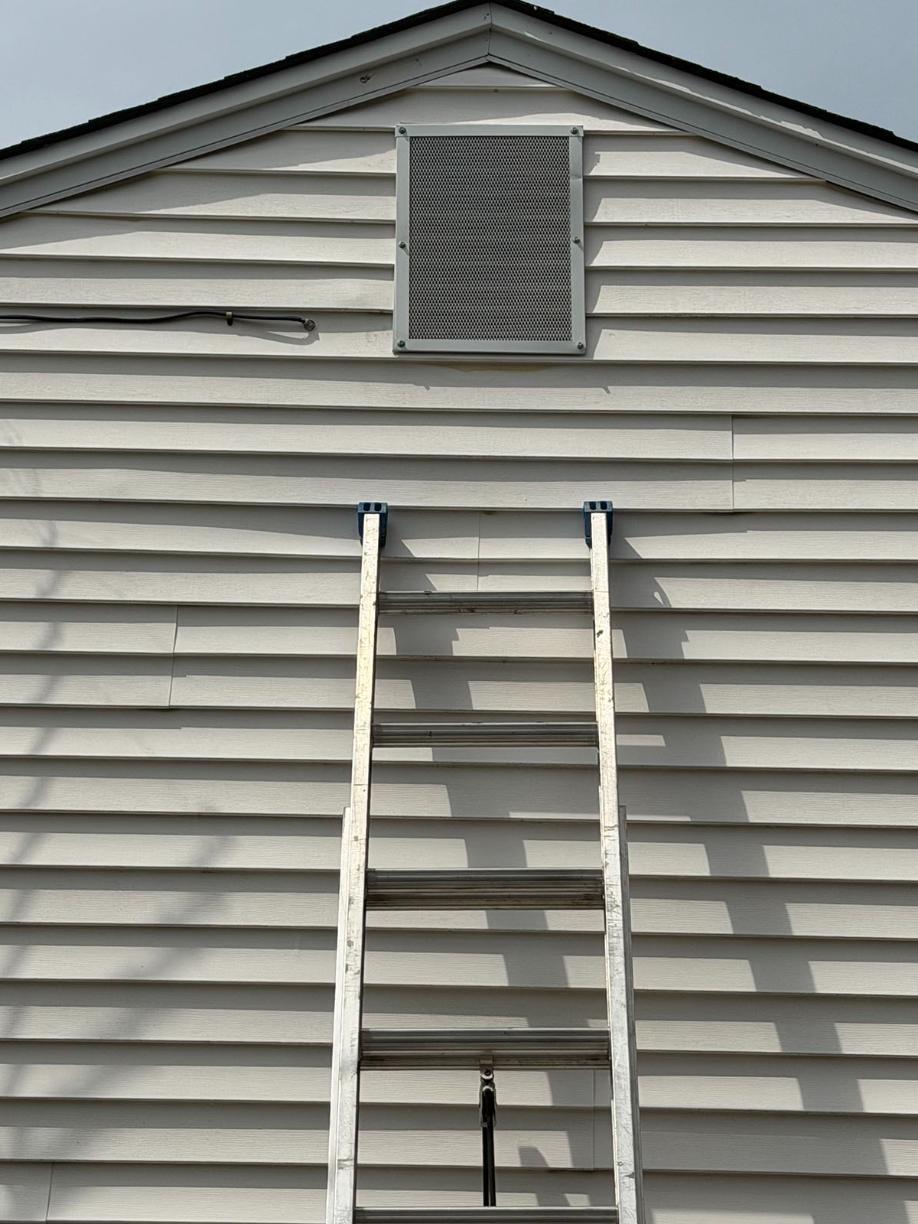
Recently, our Little Rascals Nuisance Wildlife Removal team was sent out to a home in Cliffwood, NJ to remove some bats that had infested the attic space. The bats were able to get into the home by squeezing through the gable vent. A short while after setting up our retrieval devices, we had successfully and safely removed the bats from the property!
We then carefully disinfected the attic and cleaned up all the bat droppings. In order to prevent future infestations from bats, or any other nuisance wildlife, we went back to our trucks, fashioned a louvered vent guard, and installed it over the gable vent. A louvered vent guard is made out of heavy-duty Galvannealed steel (which means it won't rust) and is customized to accommodate vents of all shapes and sizes. Now the gable vent is properly protected from all types of bats, nuisance wildlife, & birds.
No More Flying Squirrels Getting Into the Attic in West Creek, NJ
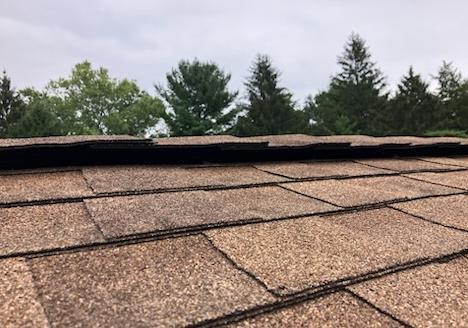
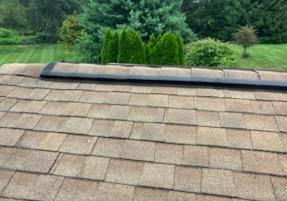
Flying squirrels were turning this customer's attic into their own little playground in West Creek, NJ. How were they getting into the home? By squeezing through the ride vents! A ridge vent is an air exhaust vent installed on the peak of a roof. When installing this vent, an air slot is first cut in the roof deck at the roof's peak. This air slot is then covered by the ridge vent itself. They help to provide continuous, uniform exhaust ventilation at the highest portion of the attic and are designed to help resist wind-driven rain and snow, as well as insect and debris infiltration.
After we had safely relocated and removed all of the flying squirrels out of this attic, in order to properly exclude the ridge vents, we installed Ridge-Guard®. Ridge-Guard® will secure and reinforce the ridge vent shingles, in order to prevent flying squirrels, as well as birds, bats, and other nuisance wildlife from entering the home through that area.

