

Before & After Photos
Click on a photo to enlarge.
Attic mold remediation and insulation upgrade in Amity, PA 15311
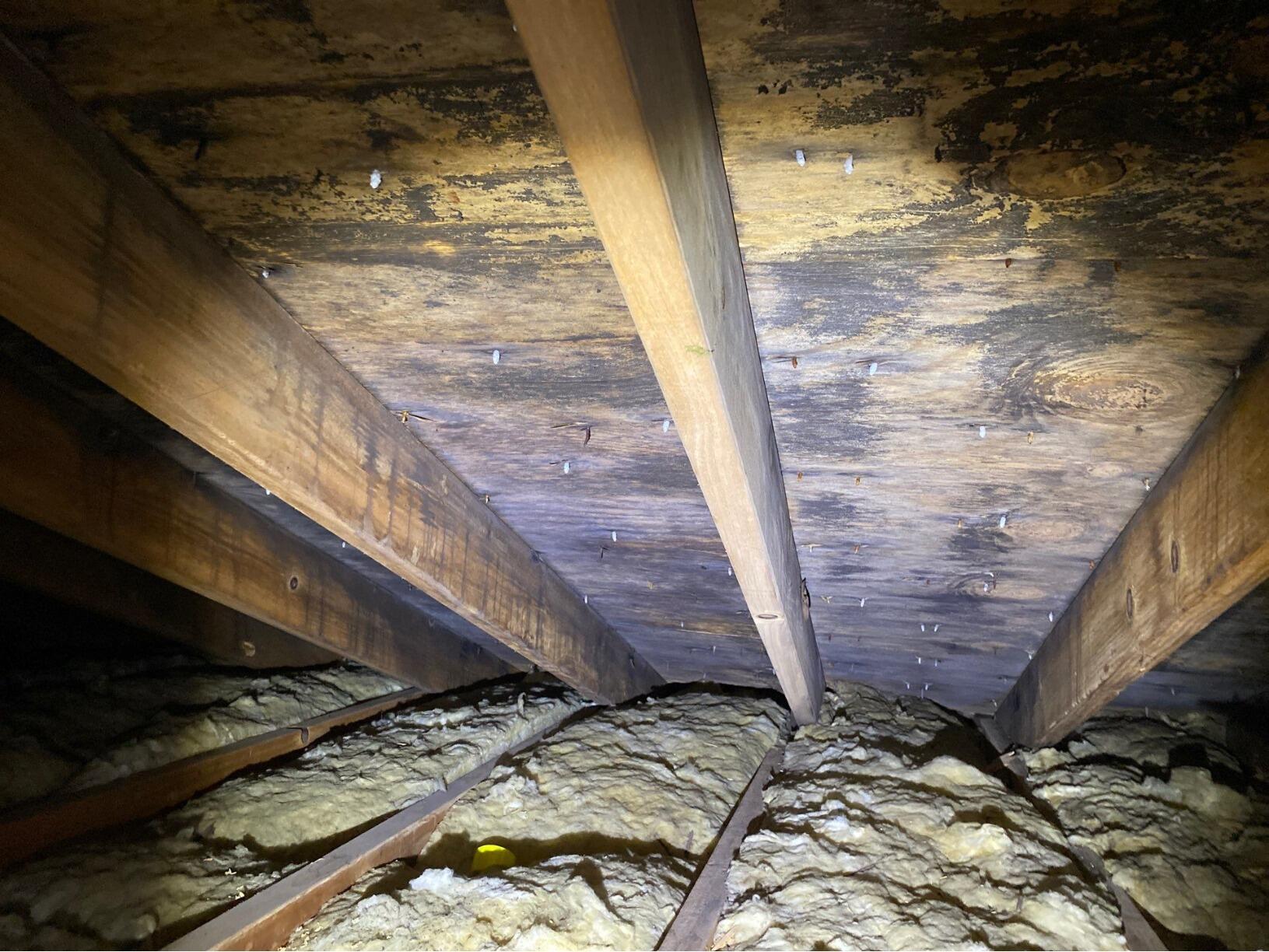
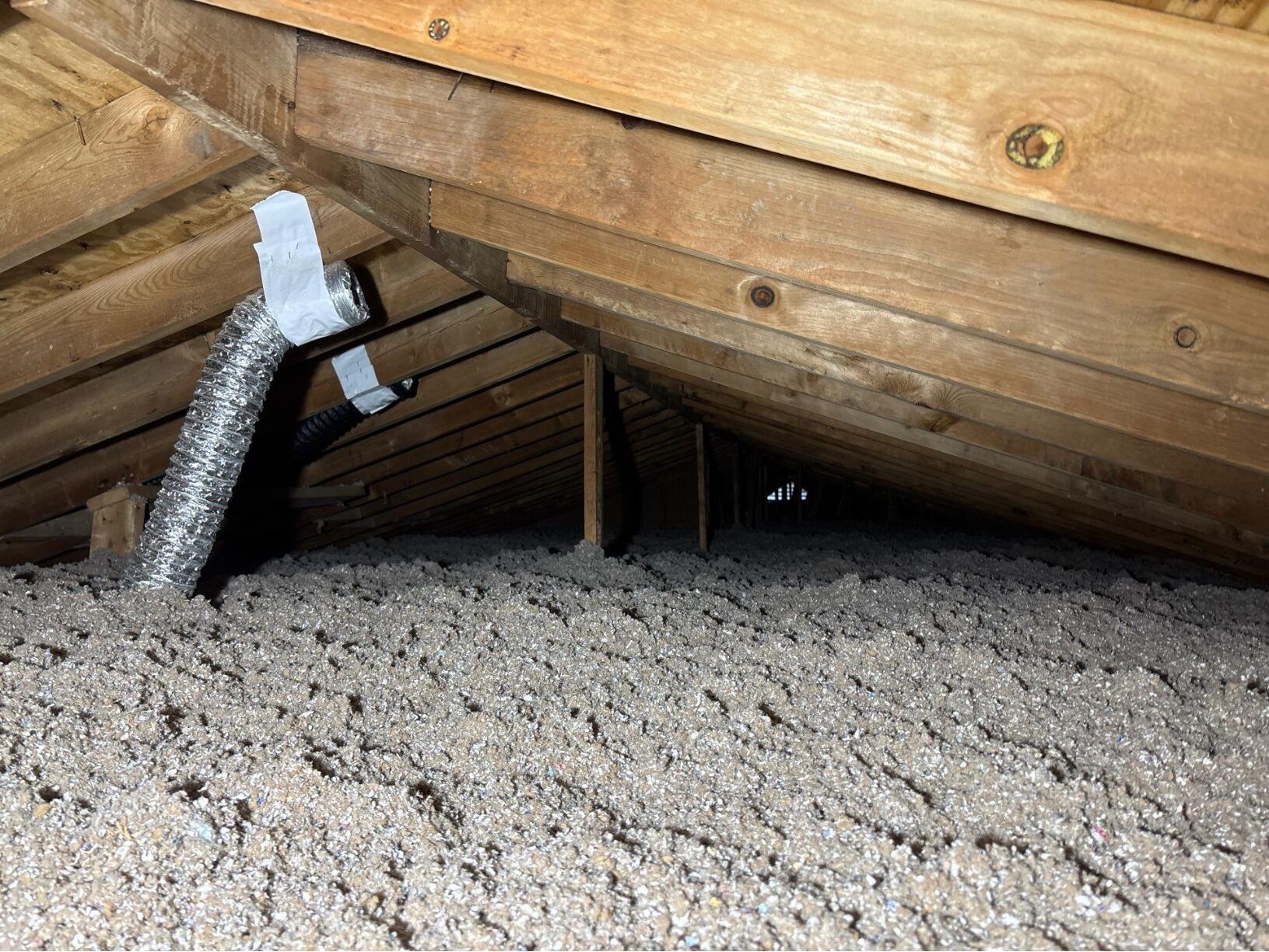
John reached out because his single-story home was experiencing cold floors, drafty rooms, and visible mold in the attic. The cathedral ceilings made the comfort issues more noticeable, allowing heat to escape in the winter and making certain areas feel less comfortable overall.
Our team started by safely remediating the mold in the attic. We treated and sanitized the affected areas to restore a clean environment and prevent further contamination.
Once the attic was properly remediated, we focused on tightening up the home’s thermal boundary. We sealed and insulated the attic, sealed attic penetrations, sealed top plates, addressed chimney-related air leakage, sealed soffit areas, and insulated the attic access. These improvements stopped conditioned air from escaping and reduced drafts throughout the home.
With the mold eliminated and the attic properly sealed, John’s home now feels warmer, less drafty, and more comfortable. The attic is clean and safe, and the home performs more efficiently year-round.
McMurray PA Attic Mold Removal and Attic Insulation


Owner Amy H was in the process of purchasing a new home. During a routine home inspection mold was discovered in the attic.
Certified mold inspector and remediator and Certified Comfort and Energy Specialist Mark O evaluated the home. Mark determined the mold was caused by a common problem, poor insulation and lack of proper ventilation. Mark designed a mold remediation protocol which included removal of the mold, properly ventilating the attic, and then properly air sealing and insulating the attic.
Foreman Dave P. and the certified mold removal team properly removed all of the microbial growth in the attic leaving a healthy environment.
Foreman Mike Y. and his team air sealed the attic and properly insulated with cellulose insulation to an average of R60 for optimum results. The HVAC ducts located in the attic were spray foamed to air seal and insulate.
The owners were ecstatic with the results! They reported back that in August the home was the same temperature throughout and the cooling bill was half the cost of the home they just moved from that was significantly smaller.
Canonsburg PA Air Sealing Around Electrical Boxes


Air Sealing in the attic is generally a challenging project, but the benefits can be substantial. Air sealing is the technique of plugging your attics air leaks. Using spray foam and other techniques we seal all the air leaks up before blowing in the insulation. Air sealing in the attic is just as important as the insulation itself.
Canonsburg PA Insulating Exterior Walls


Did you know it wasn't common practice for home builders to put insulation in walls prior to circa 1980? After 1980 states started enhancing building codes that required insulation in exterior walls.
This Canonsburg homeowner was experiencing loud road noise outside his home along with high energy bills.
After doing a free full home evaluation HES developed a plan to solve this home owners issues. Turns out he had no insulation in his walls. And this is why he was experiencing loud road noise from the nearby highway.
To solve this issue we had to remove some of his siding and cut holes into his exterior walls. Next we insert are tube and dense pack using TrueSoft Cellulose Insulation. We packed the cellulose inside his walls so tight that we guaranteed no settling. Most companies and the blowers you rent can't guarantee this. Last, the production team plugs the holes and reattaches the siding like nothing ever happened.
This homeowner instantaneously noticed the sound level difference! Another job well done by HES!
Canonsburg PA Attic


Sherry from Canonsburg, PA called HES to upgrade the Insulation on her attic.
Home Environment Solutions installed SilverGlo insulation board and blown in cellulose insulation.

