

Before & After Photos
Click on a photo to enlarge.
Sanitizing and Transforming a 2,100 sq ft attic for a Better Home Performance
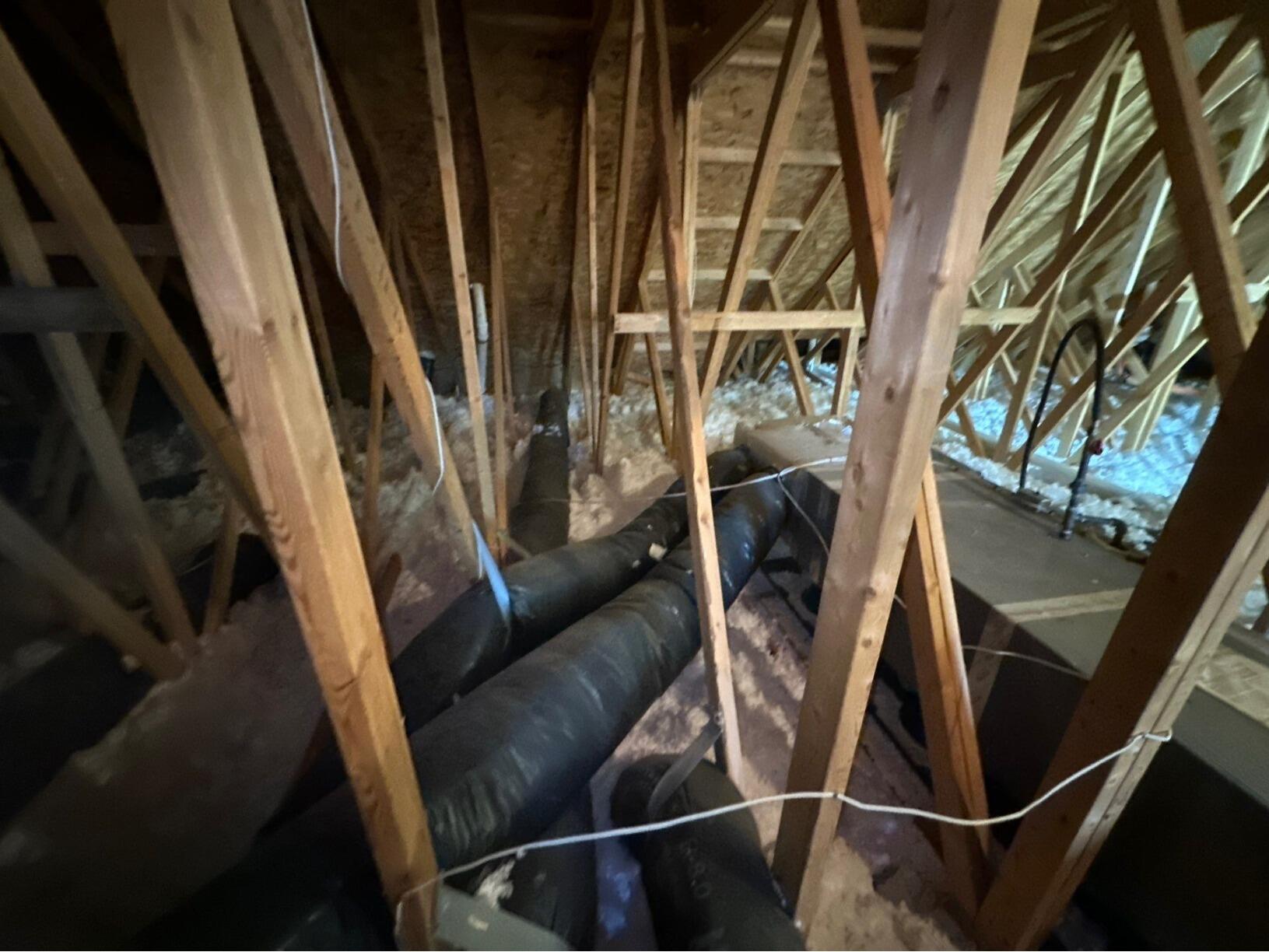
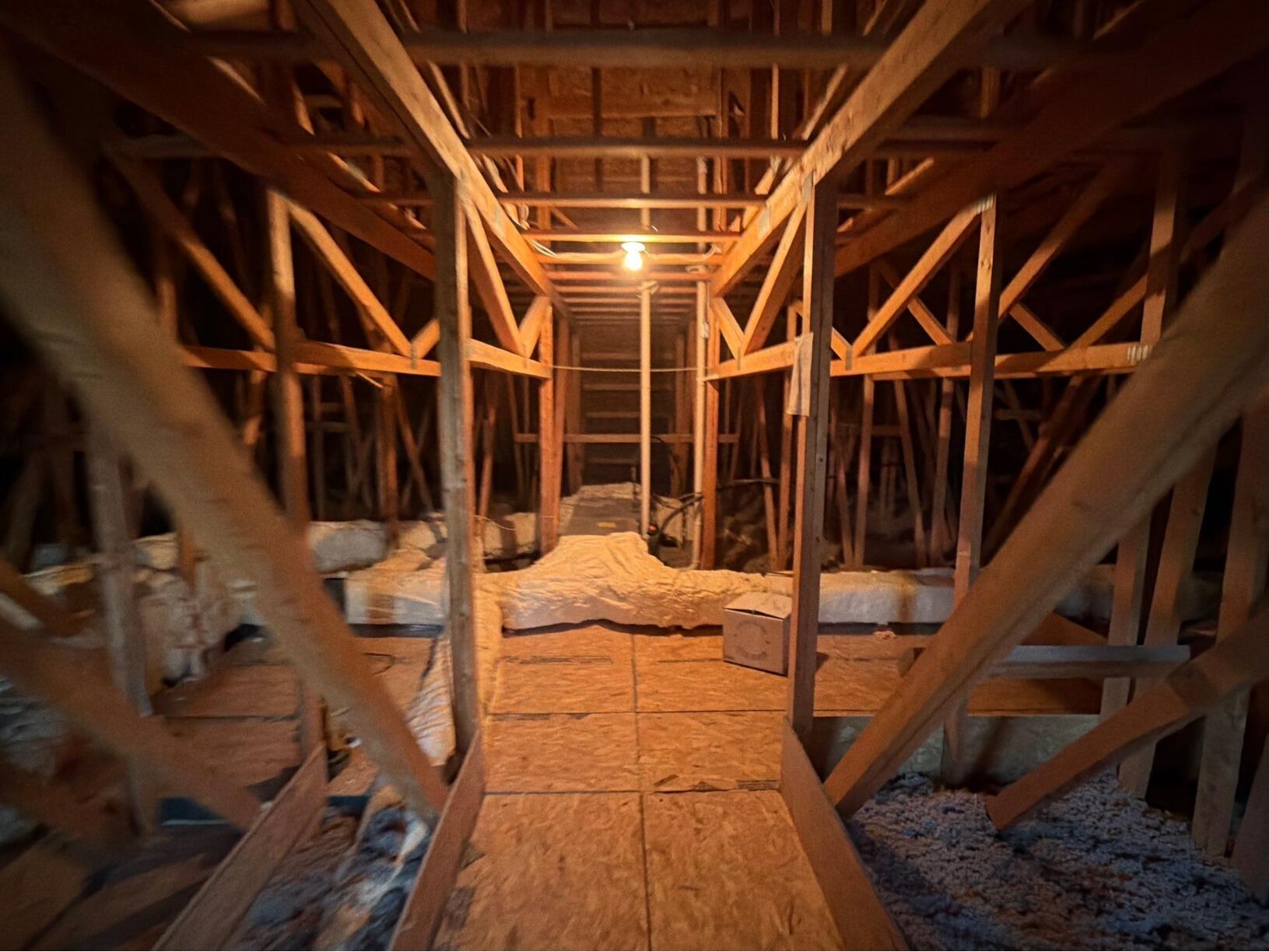
Doris wanted to make her Pittsburgh home more energy efficient and comfortable throughout the year. With approximately 2,100 square feet of attic space, the condition of the attic had a major impact on the performance of the home below. In addition to high energy bills and uncomfortable upstairs temperatures, there was visible mold and evidence of rodent activity in the attic. Mold buildup was also noted around the gutters. Rather than simply adding more insulation, this project required addressing multiple attic concerns as part of one comprehensive solution.
Our team began by addressing the existing attic conditions and preparing the space for the improvements to follow. With evidence of rodents present, contaminated materials and affected areas needed to be properly addressed before building a new insulation system.
We then completed comprehensive attic air sealing, including sealing top plates, encapsulating the HVAC ductwork, and sealing other leakage points throughout the large attic. These openings can allow conditioned air to escape from the living space and enter the attic, contributing to energy loss and making second-floor temperatures harder to control. We finished this project by constructing catwalk decking, for better access to equipment and for storage, and upgrading to blown-in TruSoft cellulose insulation to a value of R-49.
The finished project gives Doris a home that's better equipped to maintain comfortable temperatures throughout the seasons while reducing unnecessary energy loss.
This project is a great example of why attic improvements aren't simply about adding more insulation. Proper preparation, air sealing, and a complete insulation system all work together to create a healthier, more comfortable, and more energy-efficient home.
Make upstairs of Pittsburgh pa home more comfortable year round.
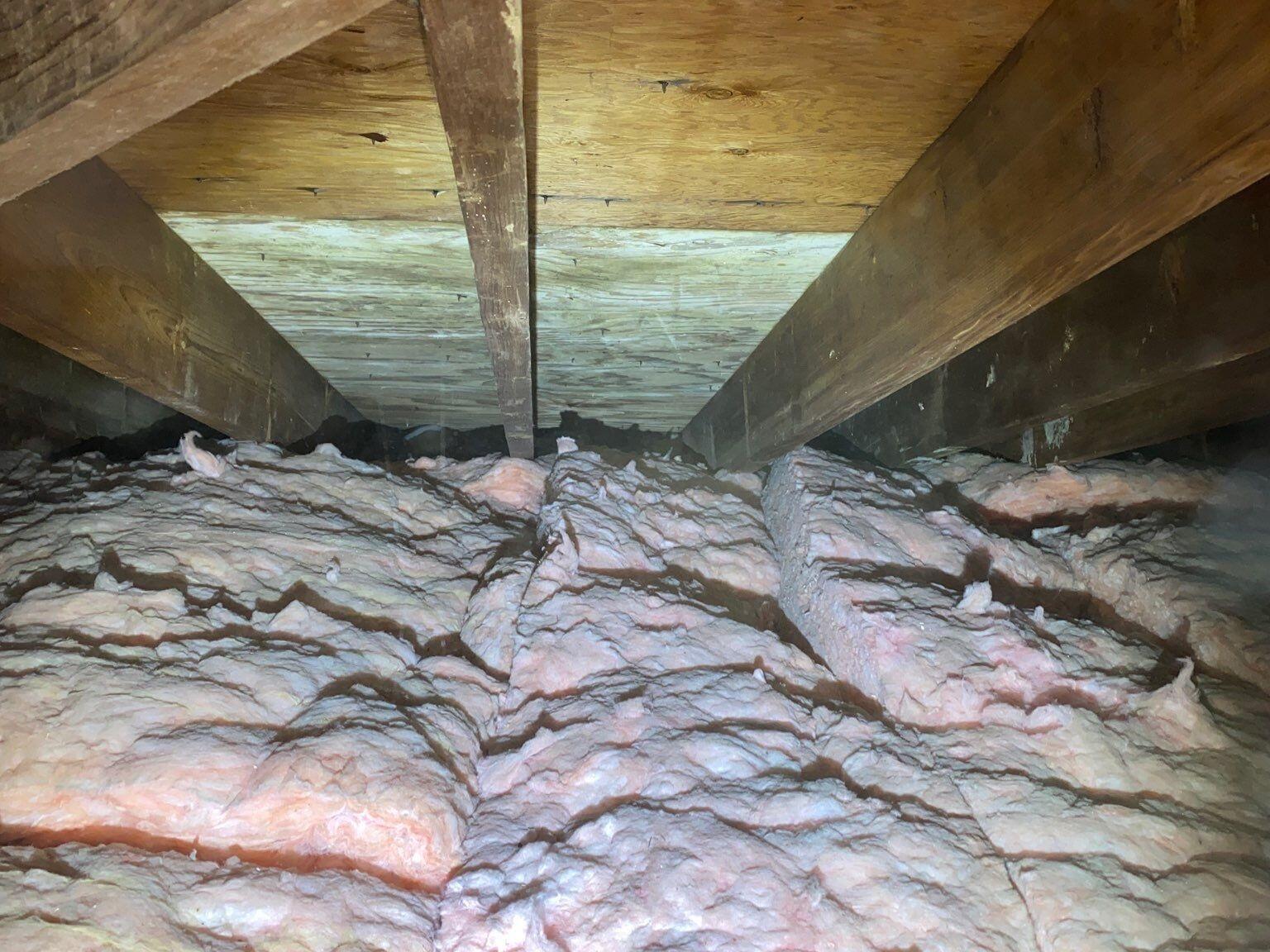
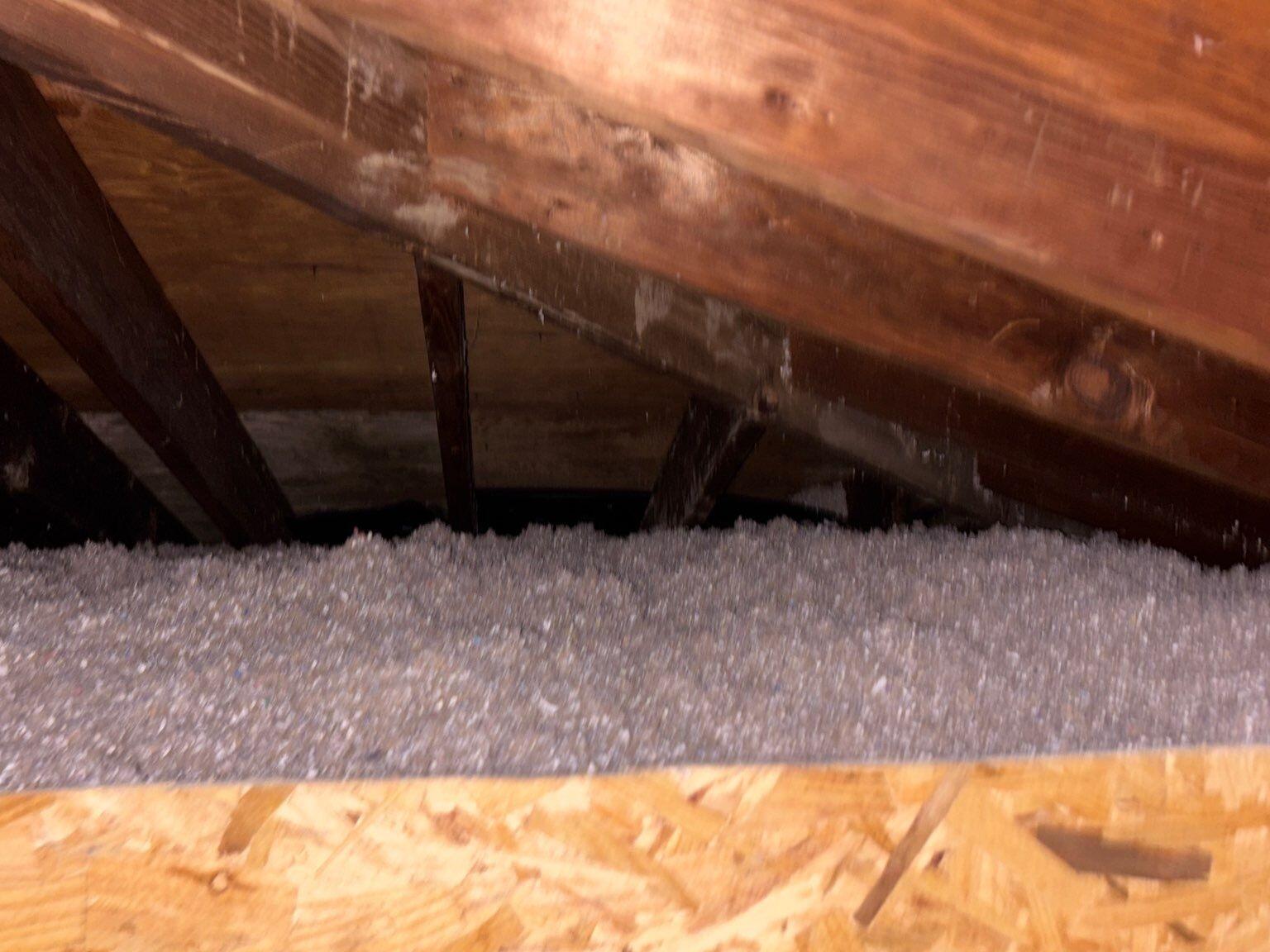
Erik called Home Environment Solutions stating that he is never comfortable in his home. He says it stays colder in the winter and warmer in the summer. We sent Russ out to perform a free home energy audit to determine what is needed to make his home more comfortable. Russ found old fiberglass batt insulation, uninsulated and unsealed scuttle cover and many other penetrations that let air escape.
Remove And Dispose Of Existing Insulation. Attic is prepared for installation of fresh, clean insulation. Our team air sealed and insulated Scuttle Cover, air sealed with Zypfoam all penetrations. Installed SilverGlo™ on wall and between floor joists as needed and they also applied Trusoft cellulose to the attic floor.
Making an upstairs more comfortable in Pittsburgh, PA 15243
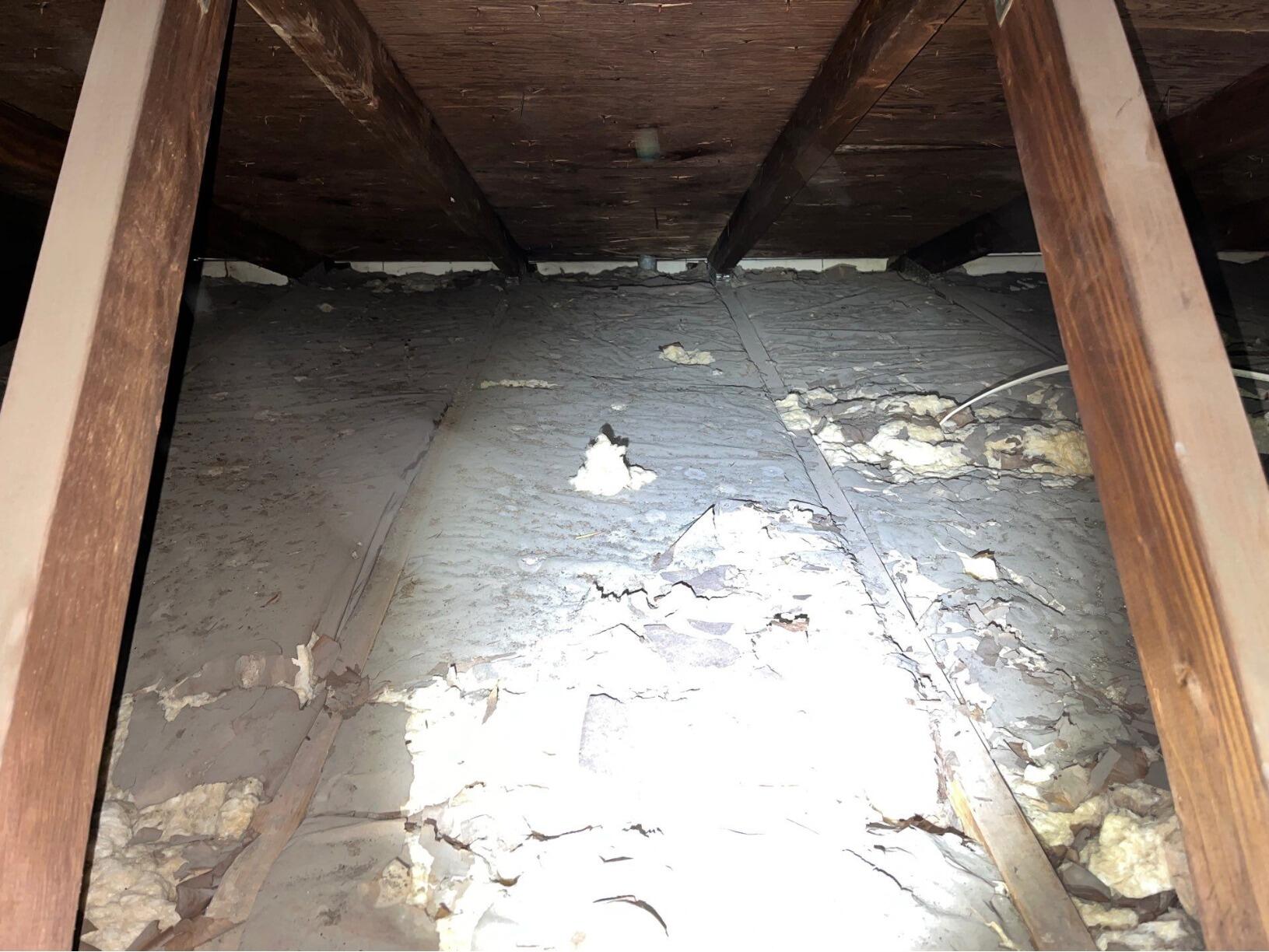
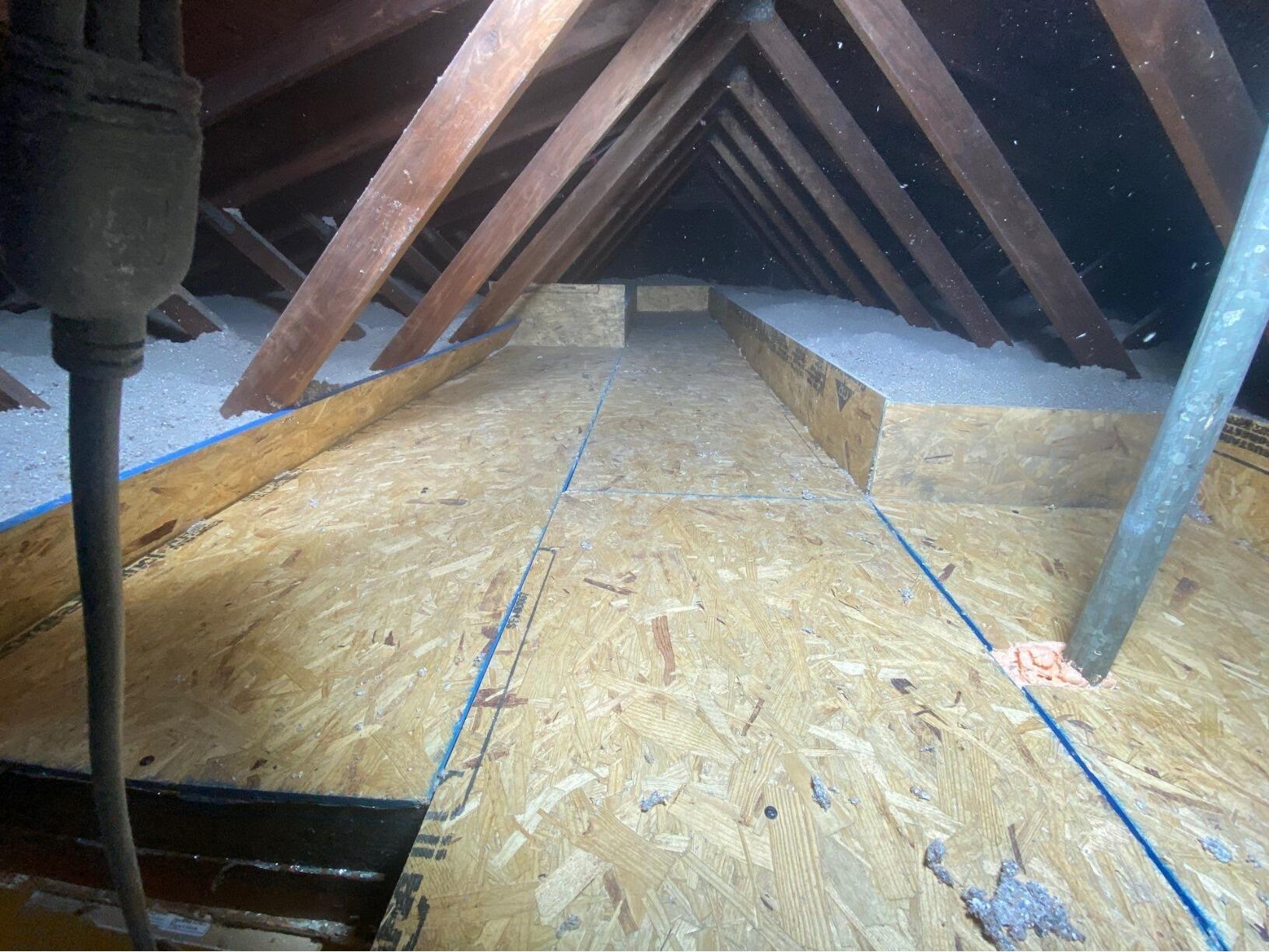
Brian reached out because his two-story home had cold floors, drafty rooms, and noticeable temperature differences upstairs. Energy bills were higher than expected, and before starting larger renovation projects, he wanted to understand where energy loss was happening and fix the most important issues first.
After completing a home energy audit, our team focused on tightening the attic and stopping conditioned air from escaping at the top of the home. We sealed and insulated the attic, improved attic access, sealed top plates and penetrations, and upgraded insulation levels to reduce heat loss. These improvements helped stabilize temperatures between floors and made the attic easier to access for future work.
Now, Brian’s home has more consistent temperatures upstairs, reduced drafts, and lower energy loss; creating a more comfortable home today and a better foundation for future renovations.
Pittsburgh PA Crawl Space Encapsulation
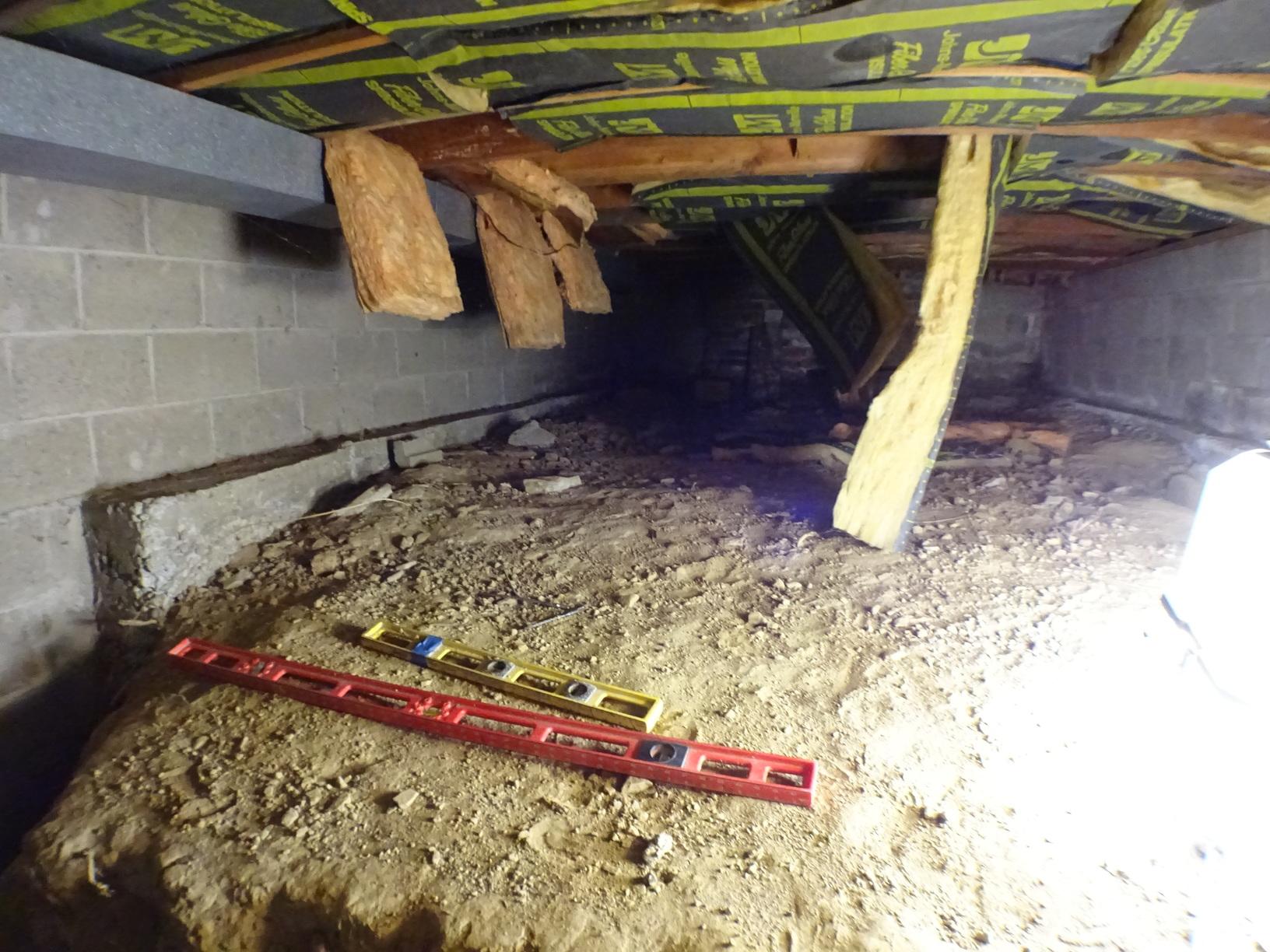
Crawl Spaces can be dirty, stinky, and wet. They are homes to spiders, moles, rats, birds, snakes, and groundhogs to name a few. In worst cases, they are home to mold. Mold in your crawlspace is no laughing matter. Most of the air you breath in your home comes from your crawl space. Yes, grossed out yet? When you have mold in your crawl space it can cause serious health problems. Mold can also cause serious structural problems. Mold grows on and eats organic materials in your crawlspace, or in other words its eating the wood that is supporting your house.
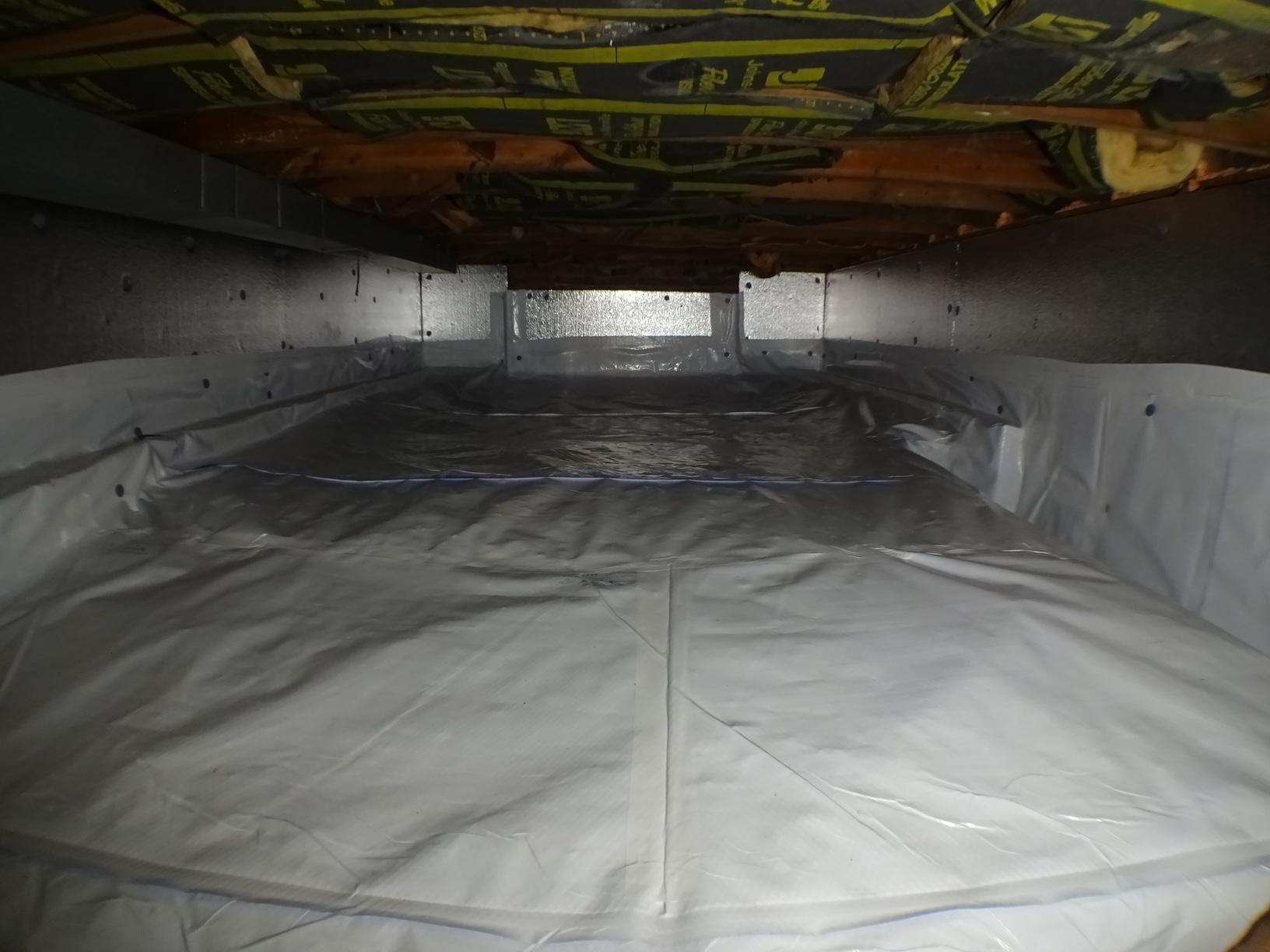
At Home Environment Solutions, we want you and your family to be safe. We solve all your crawl space problems turning it into a safe clean environment that can be utilized for storage. Crawl Space encapsulation is a process of closing your crawl space vents, insulating your walls using SilverGlo Wall Insulation Board and putting down a CleanSpace vapor barrier to prevent moisture seeping from the earth into your crawlspace.
An encapsulated crawl space will not only make your home safer and more comfortable it will save you money on your energy bills and increase the life of your HVAC systems. As you can see here, the space previous to our insulation and barrier systems had a dirt floor and poorly installed insulation. After our work is done, the area is well sealed and super clean. These homeowners were extremely pleased with the outcome!
Pittsburgh, PA Attic Insulation


George saw the ad for Home Environment Solutions in the Clipper Magazine and called to schedule a free in home energy efficiently audit for his Pittsburgh, PA home. Russ arrived and got to work looking for ways to make George's home more comfortable and economical. Russ found that the upstairs in George's home was never comfortable. Either too hot in the summer or to cold in the winter.
The HES team arrived and got to work. They removed the old inefficient attic insulation and began air sealing. Next, TiteShell covers were installed over the recess lighting and SilverGlo foam insulation was used on the attic decking. The final phase was blowing in the cellulous insulation. George's home will now be more comfortable all year round and cost less to heat and cool.

