

Before & After Photos
Click on a photo to enlarge.
Dirt Floor Crawl Space Gets Encapsulated in Sea Girt, NJ


After noticing some water pooling in his dirt floor crawl space, this homeowner in Sea Girt, NJ, called our Crawl Space Division to determine the cause and discuss possibly encapsulating his crawl space. Dirt floor crawl spaces attract and absorb moisture and once the dirt dries, it causes humidity levels to rise and can lead to mold and mildew issues (fortunately, there was no mold or mildew in the crawl space). After speaking the owner, he decided that he wanted to encapsulate his crawl space!
First, we removed all the debris and old insulation, leveled the ground for proper draining, and installed drainage matting, which is a dimpled plastic mat that allows all excess moisture to work its way over to the sump pump. Next, we installed a SmartSump™ Crawl Space Sump Pump. The SmartSump™ Crawl Space Sump Pump protects vulnerable crawl spaces by combining an intelligent WaterWatch® alarm system with a sump pump that's specifically designed for crawl spaces. Additionally, both the lid and floor drain are specially designed to prevent collected water from evaporating back out into your crawl space. Any water from a plumbing leak or sump failure must first pass by the alarm and will then drain down into the sump. The alarm will sound immediately if this happens, so you'll know you have a leak in your crawl space.
We also cleaned off all the beams in the crawl space and installed SilverGlo™ on the walls of the crawl space. SilverGlo™ is a waterproof foam insulation that seals the walls from outside moisture and humidity. Next, we installed a vapor barrier. A vapor barrier is a heavy-duty, 20-mil 7-ply sandwich of high and low-density polyethylene with a polyester-cord reinforcement. By encapsulating the crawl space & installing the vapor barrier over the foundation walls and floor will create a continuous air and moisture barrier. The vapor barrier is extremely durable and is treated with an antimicrobial to prevent mold.
Lastly, to control the humidity levels in the crawl space, we installed a Sedona dehumidifier. This is a powerful, energy-efficient, commercial-grade dehumidifier that outperforms standard household dehumidifiers by as much as 10 times while using the same amount of energy to run. Now the homeowners have a clean and healthy crawl space as well as an additional area in their home for storage.
Encapsulating a Dirt Floor Crawl Space in Rumson, NJ


After moving into their new home in Rumson, NJ, the first thing these new homeowners wanted to do was encapsulate their dirt floor crawl space. So they gave our Crawl Space Division a call and we were sent out! Dirt floor crawl spaces attract and absorb moisture and once the dirt dries, it causes humidity levels to rise and can lead to mold and mildew issues (fortunately, there was no mold or mildew in the crawl space).
First, we removed all the debris and old insulation, leveled the ground for proper draining and installed drainage matting, which is a dimpled plastic mat that allows all excess moisture to work its way over to the sump pump. Afterward, we installed a vapor barrier. A vapor barrier is a heavy-duty, 20-mil 7-ply sandwich of high and low-density polyethylene with a polyester-cord reinforcement. By encapsulating the crawl space & installing the vapor barrier over the foundation walls and floor will create a continuous air and moisture barrier.
The vapor barrier is extremely durable and is treated with an antimicrobial to prevent mold. We also cleaned off all the beams in the crawl space and installed SilverGlo™ on the walls of the crawl space. SilverGlo™ is a waterproof foam insulation that seals the walls from outside moisture and humidity. Lastly, we installed a Sani-Dry Sedona commercial-grade dehumidifier. The Sedona directs the extracted water pulled out of the air directly into the sump pump and will control the humidity levels in the crawl space.
Crawl Space Gets a Much Needed Encapsulation in Rumson, NJ


We were sent out to a home in Rumson, NJ to encapsulate the owners dirty and hot crawl space. The crawl space had a dirt floor and the issue with dirt-floor crawl spaces is that they attract and absorb moisture. Then once the dirt dries, it causes humidity levels to rise dramatically, which can then lead to other issues like mold.
First, we removed all of the debris out of the crawl space and then disposed of it. Next, we leveled the ground for proper draining and then installed a drainage matting. A drainage matting is a dimpled plastic mat that allows all excess moisture to work its way over to the newly installed SmartSump™ Crawl Space Sump Pump. Once that was done we installed a vapor barrier. A vapor barrier is a heavy-duty, 20-mil 7-ply sandwich of high and low-density polyethylene with a polyester-cord reinforcement. By encapsulating the crawl space & installing the vapor barrier over the foundation walls and floor will create a continuous air and moisture barrier. The vapor barrier is extremely durable and is treated with an antimicrobial to prevent mold growth.
The last thing we did was install a Sedona dehumidifier in order to keep the high humidity under control. This is a powerful, energy-efficient, commercial-grade dehumidifier that outperforms standard household dehumidifiers by as much as 10 times while using the same amount of energy to run!
Amazing makover of Essex Fells Crawl Space - Encapsulation and Pest Control


The new homeowner, who as a realtor was quite knowledgable about proper home design and preventative maintenance, wanted the crawl space encapsulated to avoid potential moisture and pest problems and contacted Cowleys Crawl Space Solutions Division.
Cowleys team repairs fascia on home in Pennington
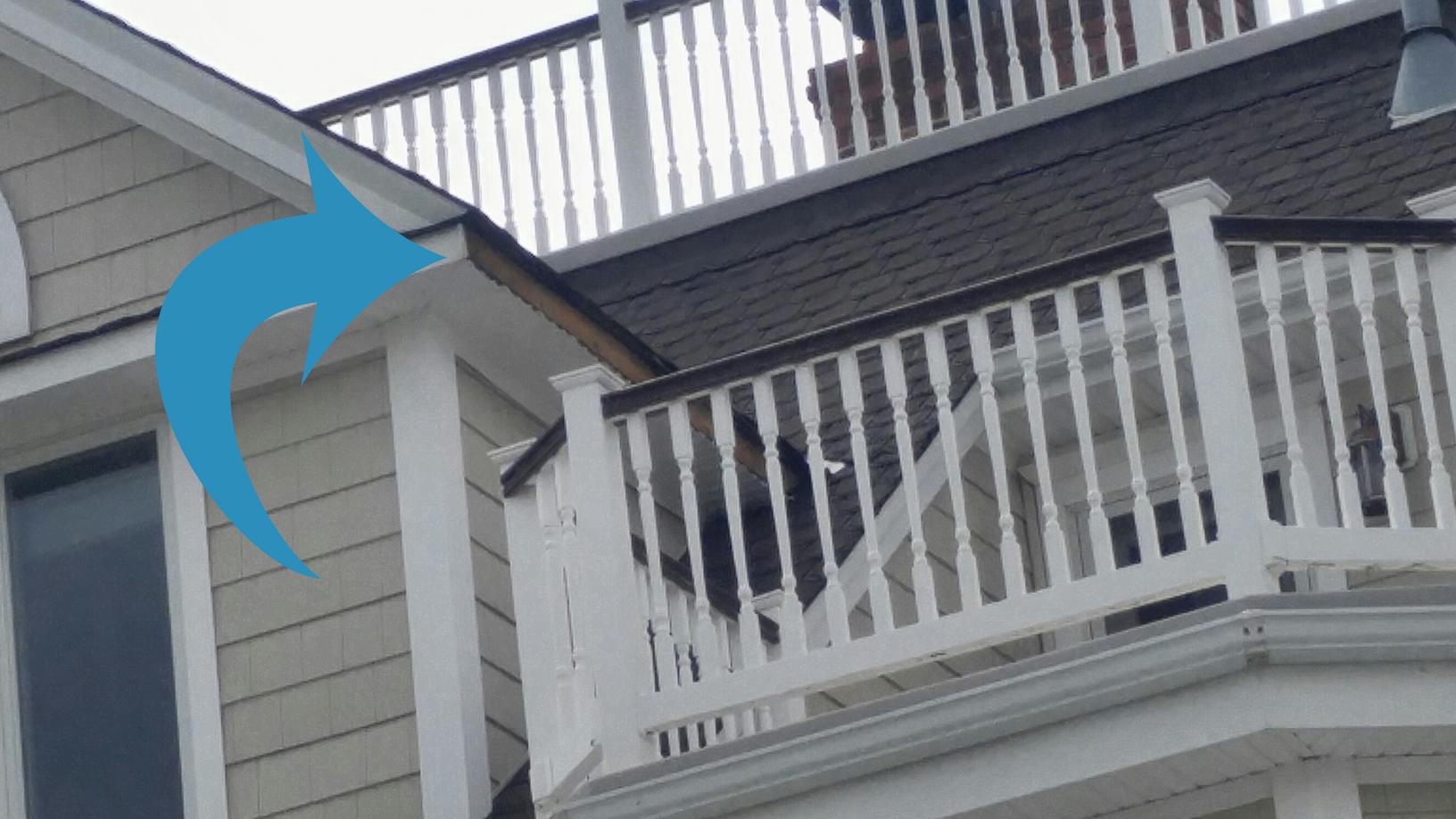

This house in Pennington had a piece of fascia that had blown off during a recent storm. The fascia is the vertical finishing edge that caps the end of the rafters.When we arrived at the home and inspected the needed repair, the missing fascia board reminded me of a missing tooth. To me, the gap in the fascia made the home look sad.
The Cowleys home improvement crew did its own version of a “dental implant” and replaced the missing piece. After we were done, the house looked as good as new and, even better, the homeowner was all smiles when admiring the completed job!

